
Updated: February 6, 2026
Written by Dan Simms
Dan was a property manager from 2015 to 2020, during which time he managed and oversaw the upkeep and repairs of over 2,000 residential properties. He uses that experience, as well as his extensive DIY knowledge, to bring reliable information to homeowners about renovations and home-related projects. Since 2020, he has been using his experience to write about home improvement, and his work has appeared on sites like USA Today, CNN, Angi, and Today’s Homeowner.
Learn moreReviewed by Dan Simms
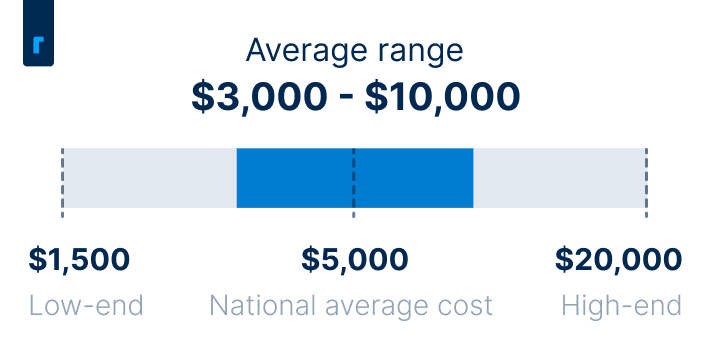
The average cost to waterproof a basement is $5,000, and most homeowners pay between $3,000 and $10,000. Your costs will depend on the size of your basement, the type of basement you have, the climate in your area, and the waterproofing method your pro uses.
Basements are naturally prone to leaks and humidity problems, but waterproofing can help keep water and moisture at bay. Waterproofing reduces the risk of major issues, like mold growth, pest infestation, water damage, and even structural damage. The type of waterproofing you need depends on the issues you’re experiencing and the severity of the problem.
Cost of Basement Waterproofing

Basement Waterproofing Cost Factors
There are many factors that can affect the cost to waterproof your basement, so you’ll need to consider all of the following to get a good idea of your total.
Size
Basement waterproofing services cost an average of $3 to $10 per square foot, so the size of your basement is one of the most influential cost factors. Expect to pay significantly more if you have a big, sprawling basement than you would for a smaller, partial basement.
Basement Size (Square Feet) | Typical Range |
500 | $1,500 – $5,000 |
750 | $2,250 – $7,500 |
1,000 | $3,000 – $10,000 |
1,250 | $3,750 – $12,500 |
1,500 | $4,500 – $15,000 |
2,000 | $6,000 – $20,000 |
Method (Interior vs. Exterior)
The term “basement waterproofing” refers to a wide variety of services your professional can include to help keep water and moisture out of your basement. Waterproofing basement walls from the outside costs more because the methods are more likely to involve excavation, which drives labor costs significantly higher. However, exterior methods are more effective than reactive methods on the interior, like dehumidifier installation, which tend to be more affordable.
Severity of the Problem
How severe the issue you’re experiencing is will determine which of those methods you need to consider. Ongoing problems with basement flooding, extensive mold growth, pest infestation, or structural damage will all cost more to rectify because they demand more intensive waterproofing systems. Minor problems with efflorescence or musty odors require less extensive work, so they’ll cost less to correct.
Labor
Labor will often make up a significant portion of your total, but the exact percentage depends heavily on the method or methods you need to waterproof your basement. Most pros charge an average of $200 per hour, and the number of hours your job takes also varies widely based on the methods used. In addition to these base rates, you may also need to consider labor costs for other pros for restoring landscaping or re-finishing your basement after the work is done.
Foundation Type and Condition
The type of foundation you have can play a role in your costs, too, as it dictates not only the risk of water intrusion but also what methods are appropriate to correct the problem. Poured concrete walls are the most affordable to waterproof, largely because they don’t have mortar joints that increase the risk of leaking and a loss of structural integrity. Stone foundations are the most expensive to waterproof because they’re usually the oldest and have even more joint lines that can fail.
The condition of your foundation will also determine how extensive of a waterproofing system you need, which will dictate your costs to a large extent.
Geographic Location and Climate
Your geographic location affects your foundation waterproofing costs for two primary reasons. First, labor costs usually scale with the local cost of living, which means basement waterproofing prices will be higher in more expensive areas, like around major cities or in coastal states.
Second, your location plays a key role in your climate, which affects the extent of the waterproofing services you need. Homeowners in areas that see heavy rainfall or a lot of snowmelt have a higher risk of water and humidity issues in their basements, so the more extensive services required will drive costs higher.
Basement Depth and Accessibility
The cost of basement waterproofing per square foot depends on your basement depth, in addition to the area. Traditional basements have 7-foot ceilings, but you’ll pay more to waterproof or treat taller basement walls, like those in modern homes that more often have 8- to 10-foot ceilings.
Accessibility to your exterior and interior walls also affects waterproofing foundation costs. Walk-out basements with one above-ground wall are easier to access without excavation if they need waterproofing at all, so they’re more affordable to treat than fully below-grade basements.
Home Age
The age of your home can affect the cost of basement waterproofing. Older homes tend to have more issues with deteriorating mortar joints and basement walls that have experienced ongoing pressure from the surrounding soil. Much older homes will often cost more to waterproof, especially if they have outdated stone foundations.
Interestingly, some newer homes may have an increased risk of foundation issues, too, especially in areas seeing rapid development, where builders might cut corners to keep up with demand. Improper site preparation or soil compaction before installing a foundation can increase the risk of water and moisture problems, which means newer homes may require more extensive and costlier waterproofing systems.
Cost of Basement Waterproofing by Method (Interior vs. Exterior)
As mentioned above, interior and exterior waterproofing methods vary in cost due to differences in accessibility and the amount of work involved to implement the fix.
Generally speaking, exterior foundation waterproofing costs more. However, methods like installing gutters with downspout extenders, grading soil away from your foundation, and installing drainage systems are better solutions because they prevent water and moisture from getting into your basement altogether. Waterproofing basement walls from inside costs less, but the methods are reactive and aren’t permanent fixes.
Every home and basement is different, so developing a comprehensive waterproofing plan with both preventative and reactive elements demands help from a professional. However, if you have an idea of what your home might need, you can use the table below to estimate your costs.
Waterproofing Method | Interior/Exterior | Average Cost |
Waterproof paint/sealants | Interior | $1 – $8 per sq. ft. |
Epoxy injection | Interior | $250 – $1,000 per crack |
Interior perimeter drain | Interior | $40 – $120 per linear foot |
Interior | $600 – $2,500 | |
Vapor barrier | Interior | $1,500 – $4,000 |
Dehumidifier installation | Interior | $1,000 – $2,800 |
Exterior | $10 – $100 per linear foot | |
Soil gradation | Exterior | $500 – $3,000 |
Exterior | $3 – $30 per linear foot | |
Sodium bentonite waterproofing | Exterior | $2 – $5 per sq. ft. |
Additional and Related Costs
There’s no one-size-fits-all approach to basement waterproofing, and in some cases, you may need to consider additional costs for related projects and solutions. Below is a list of some add-ons you may want or need, depending on your specific problem and the solutions required to fix it, as well as some other factors to consider.
Mold remediation cost: If you’ve had ongoing water or humidity issues, you may need to pay for mold remediation in addition to your waterproofing costs. Mold remediation starts at $500 to $1,500, but it can add up to $6,000 to your total, depending on the severity.
Related structural damage repair costs: Where there’s water intrusion, humidity, and mold growth, there can also be structural damage. Whether it’s from wood rot from moisture or wall damage from hydrostatic pressure from expansive soil, repairing basement structural damage will cost you between $2,500 and $25,000.
Finished vs. unfinished basement: Finished basements always cost more to waterproof because they’ll require demolition beforehand and buildback afterward.
Landscaping repair costs: Many exterior waterproofing methods involve excavation, so you might want to budget a few hundred dollars for landscaping repair, too, in order to return your property to its previous condition. Prices can climb into the thousands if you need to demolish or relocate landscaping features, like patios or decks.
Permits and inspections: Some of the more intensive foundation repairs, like installing a French drain or excavating to install damp proofing, will require permits. Permits often add between $75 and $500 to your total, depending on the work done and your location.
Warranty: Some basement waterproofing companies will include warranties for their work. Pros who provide warranties usually charge more for labor, but you’re also less likely to experience ongoing problems.
Maintenance: Some waterproofing solutions will need routine maintenance and will incur ongoing costs. For example, cleaning gutters and downspouts costs between $200 and $400 per visit, and routine foundation inspections to identify future problems can cost between $300 and $1,000.
Type of sealant: For homeowners who need to seal foundation cracks, the type of sealant can have a minor effect on costs. Acrylic sealants are usually the most affordable, epoxy injections can cost up to five times as much, and silicate sealants fall somewhere in the middle.
Waterproofing vs. Damp Proofing
Waterproofing is a comprehensive approach to keeping your basement dry, including drainage systems, crack sealing, physical barriers, and dehumidifiers. It protects against all water, even under pressure, making it essential for occupied below-grade spaces or areas with high water tables, though it is generally more robust and expensive. Damp proofing, by contrast, prevents moisture from rising through a structure, typically via a waterproof membrane applied to exterior foundation walls, and is suitable for minor moisture control. Unlike full waterproofing, damp proofing cannot withstand hydrostatic pressure, so it’s not sufficient for high-risk areas, such as fully below-grade basements, homes with high water tables, or sites prone to heavy flooding.
Since waterproofing is a more comprehensive and effective solution, it costs significantly more. Waterproofing ranges from $3 to $10 per square foot, while damp proofing costs between $3 and $6 per square foot. Just keep in mind that waterproofing is typically a long-term solution for water and moisture problems, while damp proofing only addresses minor moisture issues and is not as durable.
DIY vs. Professional Waterproofing
It’s possible to DIY certain basement waterproofing methods, such as sealing small cracks, applying waterproofing paint, setting up a dehumidifier, and grading soil away from your home. However, most methods demand help from a professional to ensure they’re done properly, especially if they involve excavating. Excavating around your foundation yourself is extremely risky and can cause structural problems or worsen water intrusion if backfilling and tamping aren’t done properly.
Even if you’re comfortable doing some of the work yourself, you should always call in a pro to come up with a comprehensive waterproofing system that works for your specific property. An expert can assess your land, the climate in your area, your home age, foundation condition, and more to ensure you get a solution that fixes the problem permanently.
How to Save Money on Basement Waterproofing
Basement waterproofing can cost as much as $20,000, and even average projects are relatively expensive. Luckily, there are some ways to save money.
Know the signs of basement leaks: Foundation and water issues tend to get worse over time. Understanding the signs and symptoms of basement water intrusion and moisture issues can help you identify and fix problems before they become severe.
Have routine inspections done: Get an annual foundation inspection done to find and fix minor issues before they lead to major problems, like mold growth, structural issues, and water damage.
Focus on prevention: Preventative waterproofing is almost always a better investment than reactive waterproofing because it keeps water and moisture out rather than removing it once it’s already in. Over time, this will mean fewer ongoing issues and lower repair costs.
DIY what you can: While you shouldn’t DIY your waterproofing solution in its entirety, you can save on labor costs by doing landscape repairs or interior build-back yourself.
Get multiple quotes: Get at least three basement waterproofing estimates, and compare based on cost and quality of the services.
Signs You Need Basement Waterproofing
Knowing when to call a professional to waterproof your basement can help get issues resolved before they get worse and end up causing structural issues or major water damage. Here are some of the most obvious signs you need waterproofing.
Damp walls or floors: Wet spots on your concrete walls or slab, particularly after rainfall, are a clear sign that moisture is wicking through the concrete.
Standing water or puddles after rain: If water pools on your basement floor after rainfall, it’s a strong indication that water is seeping in through cracks or poor drainage.
Musty odors: Musty odors result from hidden mold growth, which stems from humidity getting trapped in your basement.
Visible mold growth: Visible mold growth may accompany musty odors and is always a sign that you at least need a dehumidifier in your basement.
Foundation cracks: Cracks on your slab or foundation walls are very common, but you should always get them sealed to avoid water intrusion and moisture problems.
Efflorescence: Efflorescence is a white, powdery substance on your foundation walls, which is left behind after water soaks through and evaporates. This is a sign that you have bigger humidity issues that require waterproofing.
Structural problems: Structural issues, like bowing foundation walls or horizontal cracks on basement walls, can result from problems with water in the soil outside. These could suggest that you’d benefit from waterproofing in addition to structural repairs.
A lack of functioning gutters, downspouts, and downspout extenders is the most common underlying issue that causes basement leaks. Coupling a gutter system outside with a dehumidifier inside is very often enough to keep water and moisture outside where they belong.
FAQs
Waterproofing a basement costs a lot but is almost always worth it. At the very least, it will keep water and moisture out of your home. In many cases, though, it can help reduce the risk of more severe water damage, mold growth, and even structural damage.
Waterproofing a basement costs an average of between $3 and $10 per square foot, so waterproofing a 1,000-square-foot basement would range from $3,000 to $10,000, depending on what you need done and the severity of the issue.
Insurance won’t pay for basement waterproofing because it’s considered a preventative measure, and the responsibility of maintenance falls on the homeowner. It’s worth paying out-of-pocket for waterproofing, since most homeowners' insurance policies won’t usually cover damage from basement leaks or moisture issues, which are considered preventable.
Waterproofing a basement can take anywhere from an hour to several days, depending on the methods your professional is employing. Sealing small cracks to prevent water intrusion can take under an hour, while excavation to install a French drain plus interior methods, like installing a sump pump and applying waterproofing paint, can take two to three days.