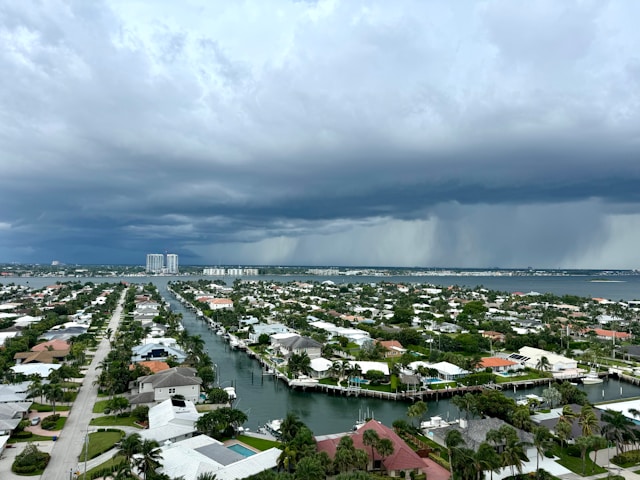
Living in Florida means preparing for hurricane season every year. With the Atlantic Hurricane Season running from June 1 through November 30, Florida homeowners face months of potential storm threats that can cause devastating damage to their properties. One of the most effective long-term investments you can make is installing hurricane impact windows Florida residents have come to rely on for protection and peace of mind.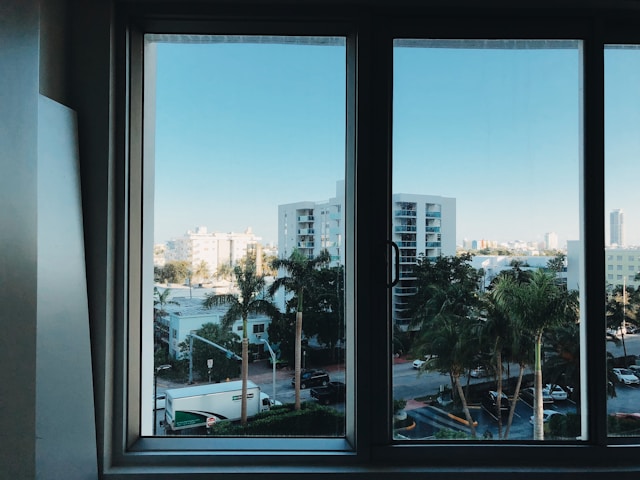
Why Hurricane Impact Windows Are Essential for Florida Homeowners
The Atlantic Hurricane Season runs June 1 - November 30, making Florida particularly vulnerable to severe weather events. During this extended period, homeowners must be prepared for the multiple types of destruction these powerful storms can bring.
Hurricanes cause multiple types of damage including storm surge, wind damage, rip currents and flooding. Storm surge is historically the leading cause of hurricane-related deaths in the United States, making proper home protection not just a financial consideration but a life-safety issue.
However, impact windows provide year-round protection beyond just hurricane season. These specialized windows offer enhanced security against break-ins, reduce noise pollution, improve energy efficiency, and can significantly lower insurance premiums throughout the entire year. Unlike temporary solutions that must be deployed before each storm, impact windows are always ready to protect your home.
Understanding Impact-Resistant Windows Florida Cost Factors
When budgeting for impact-resistant windows Florida homeowners should understand several cost variables that affect the total investment. Based on current market data, a standard 22-1/2" x 46-1/2" impact glass window costs approximately $667. However, this represents just the window unit cost and doesn't include installation or additional materials.
Installation costs vary significantly based on whether you choose professional installation or attempt a DIY approach. With average hourly earnings in construction reaching $40.92 as of March 2026, professional installation typically adds substantial labor costs to your project. However, given Florida's unique climate challenges including high humidity, salt air exposure, and extreme weather conditions, professional installation is strongly recommended to ensure proper sealing and performance.
Long-term savings on insurance premiums and energy bills can offset the initial investment over time. Many Florida insurance companies offer significant discounts for homes with certified impact windows, and the improved energy efficiency can reduce cooling costs during Florida's long, hot summers.
Financing options and payment plans are available to Florida residents through various programs, including manufacturer financing, home improvement loans, and state assistance programs.
 My Safe Florida Home Windows Program: State Assistance for Upgrades
The My Safe Florida Home windows program provides valuable state assistance to help homeowners upgrade their properties with impact-resistant windows. This program recognizes that hurricane preparedness is a statewide priority and offers financial support to qualifying residents.
Homeowners interested in this program should apply well in advance of hurricane season, as processing times and contractor availability can create delays during peak demand periods.
Florida Building Code Windows: Compliance Requirements You Must Know
Current Florida Building Code standards for impact windows vary by wind zone, with stricter requirements in areas prone to higher wind speeds. The state has established specific performance criteria that all replacement windows must meet to ensure adequate protection during severe weather events.
NFRC certification requirements ensure that all approved windows meet scientifically validated testing standards. With more than 35 years of expertise in fenestration performance certification, NFRC provides homeowners confidence that certified products will perform as expected during severe weather.
Permit requirements for Florida hurricane window replacement projects are mandatory in most jurisdictions. Homeowners should factor permit costs and approval time into their project planning, especially when scheduling installation before hurricane season begins.
Choosing the Right Impact Windows for Your Florida Home
Understanding NFRC ratings is crucial for selecting the best windows for Florida's climate. NFRC U-Factor ratings range from 0.20-1.20, with lower numbers indicating better heat retention. In Florida's climate, you'll want windows with lower U-Factor ratings to keep conditioned air inside during the hot summer months.
Visible Transmittance ratings are equally important, as higher numbers allow more natural light to enter your home. This rating becomes particularly valuable in Florida where maximizing natural light can reduce the need for artificial lighting during daylight hours.
Frame materials must be carefully selected for Florida's humid climate.
Material | Strength | Maintenance | Typical Lifespan in FL | Relative Cost |
|---|---|---|---|---|
Aluminum | Highest (slimmest profiles, largest openings) | Low (periodic cleaning + coating inspection) | 20–30 years | Mid |
Vinyl (PVC) | Good; needs reinforcement for large hurricane-rated openings | Very low (wash with soap/water) | 15–25 years (quality units 25–30+) | Low to mid |
Wood | Good insulator, strong when intact | High (sealing, painting, ongoing inspection) | Highly variable; short without rigorous upkeep | High |
Fiberglass / Composite | Very high strength-to-weight; supports large panes and impact glass | Very low (factory UV-stable finishes) | 30–50 years | Highest upfront; lowest lifetime cost |
Florida Hurricane Window Replacement: Step-by-Step Process
The replacement process begins with a pre-installation assessment and precise measuring requirements. Professional installers will evaluate your existing window openings, check for structural issues, and ensure proper measurements for manufacturing custom-fit windows.
Permit acquisition must be completed before installation begins. This process involves submitting plans to local building departments and scheduling required inspections.
County / Metro | High-Velocity Hurricane Zone | Typical Permit Fee | Typical Timeline | Notable |
|---|---|---|---|---|
Miami-Dade | Yes | $200 – $500+ | 2–4 weeks (varies) | Strictest in state; NOA required |
Broward | Yes | $150 – $450 | 2–4 weeks | Required for single-window swaps |
Palm Beach | HVHZ-equivalent | $100 – $400 | ~2 weeks | Product approval docs required |
Hillsborough (Tampa) | No | $100 – $250 | 10–15 business days | Split 50/50 review/inspection fee |
Pinellas (St. Pete) | No | $100 – $300 | 5–15 business days | Coastal exposure considerations |
Orange (Orlando) | No | $100 – $250 | 5–10 business days | Inland; lighter documentation |
Duval (Jacksonville) | No | $80 – $250 | ~5 business days | Cheapest; $4 per $1,000 valuation |
Installation timeline varies based on the number of windows and complexity of the project. Most residential projects can be completed within several days to a week, depending on home size and any structural modifications required.
Post-installation testing and warranty registration are critical final steps. Professional installers should conduct performance tests to ensure proper sealing and operation, and homeowners must register their warranties to maintain coverage.
Impact Windows vs Shutters: Making the Right Choice
When comparing impact windows vs shutters, homeowners must consider both upfront costs and long-term benefits. While shutters may have lower initial costs, they require deployment before each storm and storage when not in use.
Impact windows provide permanent protection without the need for storm preparation activities. They also offer year-round benefits including energy efficiency, noise reduction, and security enhancement that shutters cannot match.
Protection Type | Cost Per Sq Ft (Installed) | Whole-Home Typical Range* | Relative Upfront Cost |
|---|---|---|---|
Impact Windows | $40 – $100+ | $15,000 – $50,000+ | Highest |
Roll-Down Shutters (Motorized) | $25 – $60 | $8,000 – $25,000 | High |
Accordion Shutters | $15 – $25 | $3,000 – $8,000 | Mid |
Bahama Shutters | $15 – $35 | $3,500 – $10,000 | Mid (decorative premium) |
Colonial Shutters | $20 – $35 | $4,000 – $10,000 | Mid |
Storm Panels (Aluminum/Steel) | $7 – $15 | $1,500 – $4,000 | Lowest |
Storm Fabric Panels | $10 – $20 | $2,000 – $5,000 | Low |
Preparing for the Next Hurricane Season: Timeline and Checklist
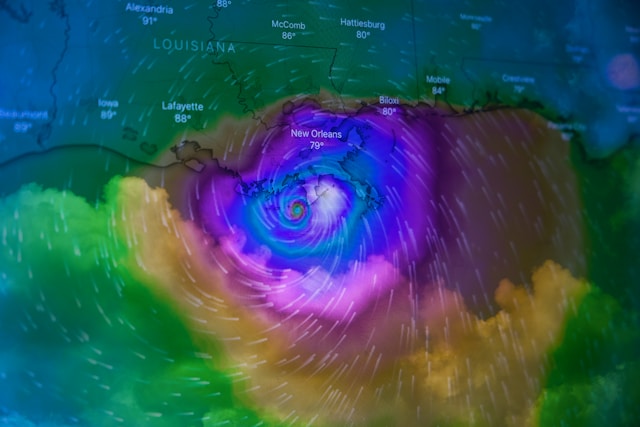
The best months to schedule installation are typically January through April, well before hurricane season begins. This timing ensures availability of contractors and materials while avoiding the rush that occurs as storm season approaches.
Even with impact windows installed, emergency preparedness steps remain important. Homeowners should maintain emergency supplies, evacuation plans, and communication strategies as part of comprehensive hurricane preparedness.
Insurance documentation and claim preparation procedures should be updated after window installation. Photograph your new windows, maintain all warranties and certifications, and notify your insurance company of the upgrades to ensure proper coverage and premium adjustments.
Community resources and emergency contacts for Florida residents include local emergency management offices, the National Weather Service, and county-specific hurricane information hotlines.
Installing hurricane impact windows Florida homeowners can rely on represents one of the most valuable investments in home protection and long-term value. By understanding costs, compliance requirements, and available assistance programs, you can make informed decisions that protect your family and property for years to come. Start planning your window replacement project early, well before the next hurricane season begins, to ensure the best contractor availability and pricing.