
Updated: January 28, 2026
Written by Dan Simms
Dan was a property manager from 2015 to 2020, during which time he managed and oversaw the upkeep and repairs of over 2,000 residential properties. He uses that experience, as well as his extensive DIY knowledge, to bring reliable information to homeowners about renovations and home-related projects. Since 2020, he has been using his experience to write about home improvement, and his work has appeared on sites like USA Today, CNN, Angi, and Today’s Homeowner.
Learn moreReviewed by Dan Simms
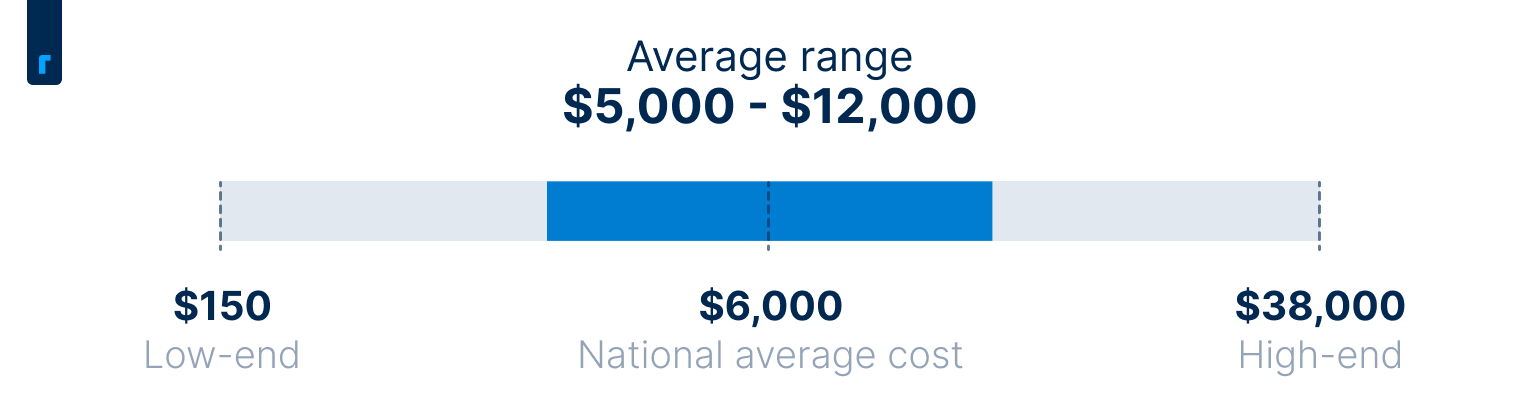
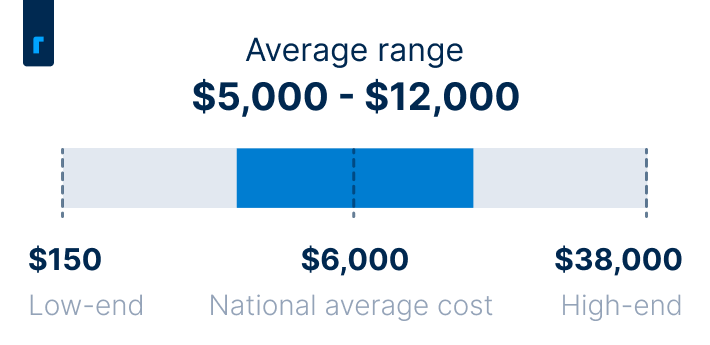
The average cost to install a new AC system is $6,000, and most homeowners pay somewhere between $5,000 and $12,000. The average cost represents materials and labor to install a 3-ton central AC unit, which is the most common type of AC system and an appropriate size for the average-sized home. Your costs could fall anywhere from $150 for a small window AC to $38,000 or more for a geothermal heat pump that provides both heating and cooling.
If you’ve noticed that your home isn’t as cool and comfortable as it used to be, or that your utility costs in the warmer months are creeping higher and higher, you may need to consider a new AC system. A new AC installation can significantly improve your home's energy efficiency, reduce cooling costs, and provide comfort, ensuring you stay cool when you need it most.
New Air Conditioner Cost
Air Conditioner Installation Cost by Type of Unit
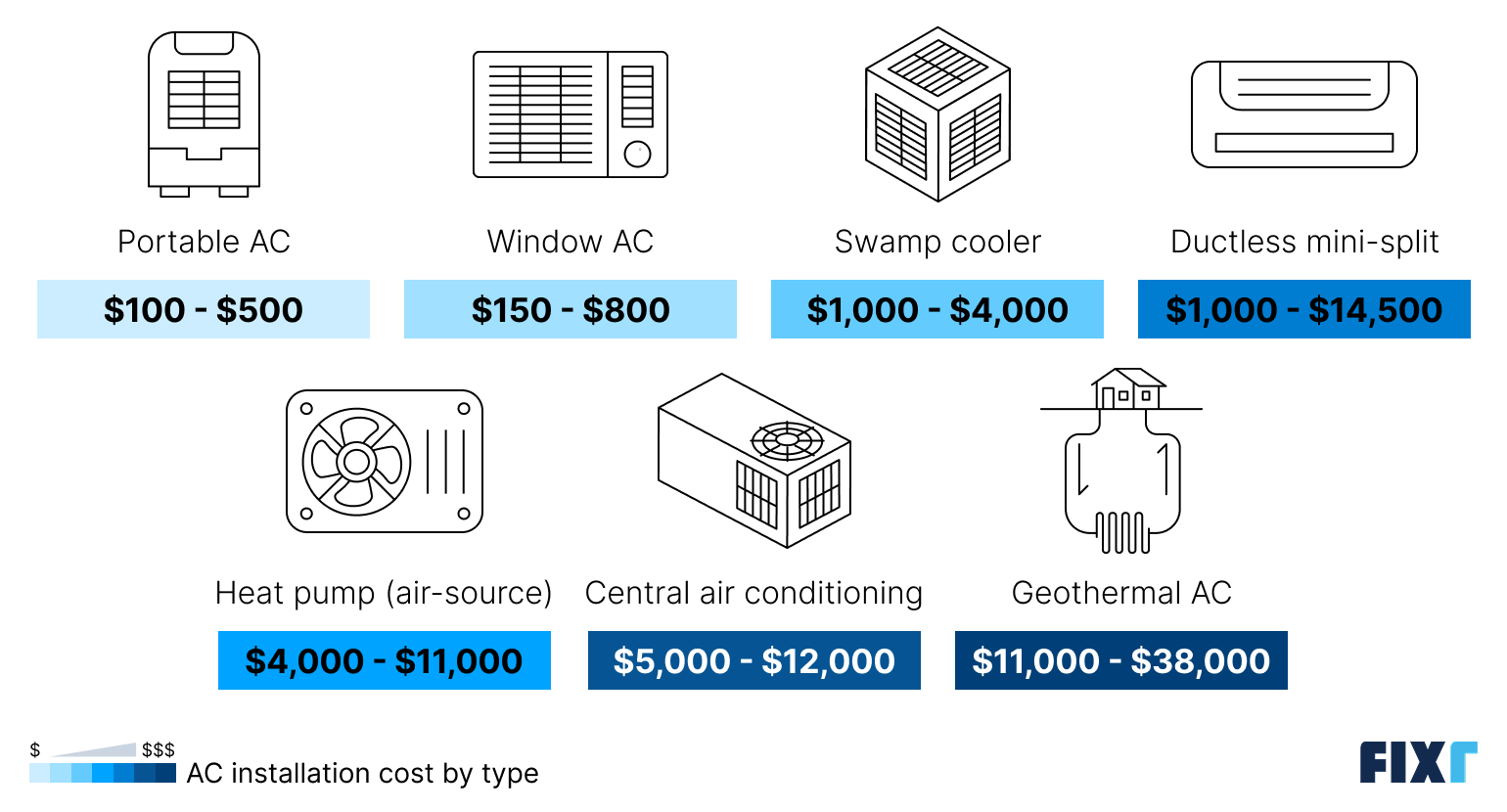
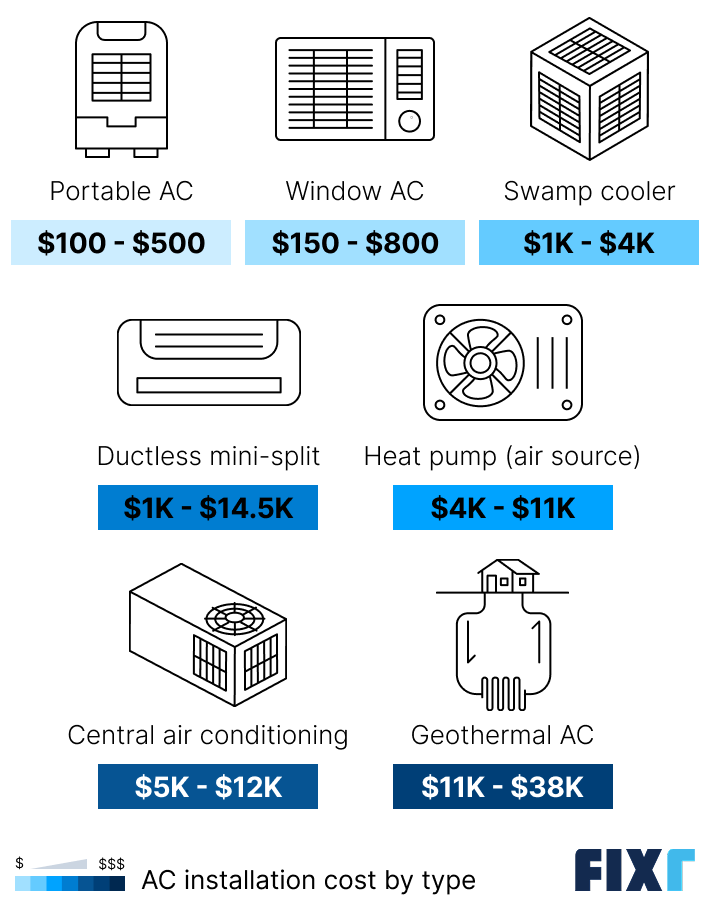
The cost to replace an AC unit is going to depend mostly on the type of AC you’re considering.
Type of AC | Average Cost |
Portable AC | $100 - $500 |
Window AC | $150 - $800 |
$1,000 - $4,000 | |
Ductless mini-split | $1,000 - $14,500 |
Heat pump (air-source) | $4,000 - $11,000 |
$5,000 - $12,000 | |
Geothermal AC | $11,000 - $38,000 |
Portable AC
Portable AC units range from $100 to $500 and are easy to move from room to room. They’re among the least efficient AC options and work best as a temporary solution for small areas.
Window AC
Window AC units typically cost between $150 and $800. They’re one of the most affordable cooling options and are usually installed by homeowners. However, they’re less energy-efficient than permanent systems and are best for cooling single rooms or small spaces, not entire homes.
Swamp Cooler
Swamp coolers, or evaporative coolers, cost between $1,000 and $4,000 to install. They’re some of the most efficient AC systems available because they don’t need to condense refrigerant to provide cooling. They need minimal maintenance, but they’re only suitable in mild climates that mostly experience low humidity levels.
Ductless Mini-split
Ductless mini-split systems typically cost between $1,000 and $14,500 or more, depending on the number of indoor units needed. They’re a popular choice for homes without existing ductwork and for room-by-room upgrades. These systems are highly energy-efficient, offer zoned cooling, and many models can also provide heating, making them a flexible option for both comfort and energy savings.
Air Source Heat Pump
Air source heat pumps are more popular than geothermal systems because they offer similarly high efficiency at a much lower cost. These will run you between $4,000 and $11,000, in most cases. Air source heat pumps can also provide heat, so you could save on heating system replacement costs if you go with an air source heat pump that can handle both heating and cooling.
Central AC
Central AC systems, also called split AC systems, are the most common, and the cost to install central air averages between $5,000 and $12,000 for the typical home. These systems use an outdoor condenser to move refrigerant and an indoor air handler that distributes cooled air through ductwork. This is a popular option for homes with furnaces that are already fitted with ductwork, as they are highly efficient for whole-home cooling.
Geothermal Heat Pump
Geothermal heat pumps can provide both heating and cooling and are extremely efficient for both purposes. However, they require large-scale excavation, which makes them the most expensive options. Expect to pay between $11,000 and $38,000 for the materials and labor, depending on the size of your home. They’re expensive, but they have low running costs, minimal maintenance requirements, and last longer than most other types.
Average Cost to Install Air Conditioning by Unit Size
AC system size is measured in tons or British thermal units (BTUs), with 1 ton equal to 12,000 BTUs per hour. Larger systems can cool bigger spaces, but bigger isn’t always better. Your AC must be properly sized for your home.
An undersized system will struggle to keep up, leading to higher wear and a shorter lifespan. On the other hand, an oversized AC will cycle on and off rapidly, which can damage the compressor and shorten the system’s lifespan. Oversized systems also often lead to uneven cooling throughout the home.
As a general guideline, homes need about 45 BTUs per square foot of living space. The table below shows estimated costs based on typical system sizes, but a professional should determine the final size using a Manual J calculation, which accounts for factors like climate, insulation, ceiling height, and sun exposure.
Larger systems typically cost more to install, especially for ducted central air systems.
Tons | BTUs | Average Cost |
1.5 | 18,000 | $1,800–$7,000 |
2 | 24,000 | $2,000–$7,600 |
3 | 36,000 | $2,500–$8,000 |
4 | 45,000 | $3,100–$8,700 |
5 | 60,000 | $3,300–$9,300 |
Labor Cost to Install AC Unit
On average, you can expect to pay between $500 and $2,500 for the labor to install a standard central AC system, or between $75 and $250 per hour. Labor costs include installing your unit, running any necessary wiring, running new refrigerant lines, and testing your system. Some techs will also include the cost of removing your old unit and hauling it away, but many will not.
Labor costs vary widely based on the type of system you install. Most homeowners don’t hire a professional for window and portable ACs, as there is little to no labor required, while the labor costs to install a geothermal heat pump can total over $15,000. They also vary based on the complexity of your particular installation, local labor rates, and the time of year.
Additional Air Conditioning Installation Cost Factors
The type and size of the AC you install are the most significant cost factors to consider, but there are many other things you should consider to get the most accurate price possible.
Pre-Installation Evaluation
Some HVAC contractors charge for a Manual J load calculation to properly size your system, though the fee is often waived if you move forward with their estimate.
Seasonal Energy Efficiency Ratio (SEER) Rating
AC units come with different efficiency levels, typically measured by SEER or SEER2. Higher-efficiency systems cost more upfront but can significantly reduce energy bills over time, especially in hot climates.
Ductwork Installation or Modification
If you don’t already have ductwork installed and need it for your new system, expect to add between $1,400 and $6,000 to your total. If you have ducts already, you may just need repairs or a duct cleaning, which can still add hundreds to your total.
Permits and Fees
Most municipalities require permits for changes to mechanicals, including AC replacement and installation. Permit fees can range from $50 to $1,500, depending on the type of AC and your building department’s fee schedule. Note that installing a window or portable AC won’t require a permit.
Warranty Coverage
Most AC manufacturers offer some kind of warranty for general parts and a separate warranty for the compressor, and some HVAC companies will offer a labor warranty covering their installation labor. Generally speaking, you’ll pay more for units and installers with longer and more comprehensive warranty coverage.
Urgency of Work
Most HVAC techs will charge more if you need an emergency AC installation or replacement in the dead of summer, especially if you need the work done on a weekend or holiday. The added fee for the inconvenience could end up totaling hundreds of dollars.
Number of Zones
Whole home AC systems are often zoned to provide more precise temperature control and reduce unnecessary cooling of unused spaces, like bedrooms, during the day. Zoned systems and multi-zone ductless mini-splits require additional equipment and labor, increasing overall installation costs.
Access and infrastructure
Limited access, tight utility spaces, or attic installations can raise labor costs due to increased installation time.
Insulation
Upgrading insulation can lower long-term cooling costs but may add hundreds or thousands to your upfront installation price.
AC Replacement Cost vs. Repair
Repairing an AC is almost always going to cost less than replacing it. AC repairs cost an average of $375, while central air installation costs an average of $6,000.
As a general rule, repairing makes sense if your system is under 10 years old and the repair cost is well below 50% of the replacement cost. If your AC is older, repairs are expensive, or problems are recurring, replacement is often the better long-term investment, although it is more expensive upfront.
Signs It’s Time to Replace Your AC
Here are some signs you may need to replace your AC system sooner rather than later:
Ongoing issues: If you’re calling an HVAC technician every year for repairs beyond routine maintenance, those costs can add up quickly and signal deeper system problems.
Rising energy bills: As AC systems age, they lose efficiency. If your cooling costs are increasing despite similar usage and weather conditions, your unit may be working harder than it should.
Inconsistent or poor cooling: Hot spots, uneven temperatures, or longer cooling cycles often indicate that the system can no longer effectively cool your home.
Approaching end of lifespan: Most AC systems have a limited lifespan. If yours is nearing the upper end of its expected range, replacing it can help you avoid a sudden breakdown.
Heating system replacement needed: If your furnace or heating system also needs replacement and your AC is aging, upgrading to a single system that handles both heating and cooling can be more cost-effective and energy-efficient over time.
DIY AC Work vs. Hiring a Pro
Most homeowners can safely install window or portable AC units themselves, and it’s uncommon to hire a professional for these systems. However, any other AC system demands help from a professional. An expert can size your system appropriately, ensure a safe installation that doesn’t result in damaged or under-performing equipment, and make recommendations for features, system types, and even other home upgrades to help you get the most out of your new AC unit.
DIYing whole-home AC systems or even ductless mini-splits involves working with refrigerant, which is strictly regulated, and most municipalities will only issue permits to licensed contractors. As such, it’s often not legal to install your own AC. Even if it was, DIYing can void your warranty and lead to electrical issues and water damage due to improper installation. Hiring a pro is expensive, but it’s always worth it in the long run.
When it comes time to choose an HVAC tech to handle your AC installation, start by asking friends, family members, or neighbors for recommendations. Read through online reviews, confirm proper licensing, and check the BBB for red flags. Then, get a quote from each company you’re considering. Avoid companies that offer estimates without an inspection, as well as companies that come in well below-average on pricing.
Ways to Save on AC Installation Costs
Installing a new AC system can be quite expensive, but there are some things you can do to reduce your upfront and long-term costs.
Choose an energy-efficient unit: Higher-efficiency systems cost more upfront but can significantly reduce cooling costs over time, especially in hot climates.
Look for incentives and rebates: ENERGY STAR-rated air conditioners may qualify for incentives, like the Energy Efficient Home Improvement Tax Credit from the federal government. Check the Database of State Incentives for Renewables and Efficiency (DSIRE) for information on state and local incentives, too.
Get at least three estimates: Comparing at least three contractor quotes helps you find the best balance between equipment quality and price.
Time your installation properly: Replacing your AC in the spring or fall can result in lower labor costs due to reduced seasonal demand.
Have a Manual J load calculation done: Proper sizing prevents inefficiency, premature wear, and higher long-term operating costs.
Consider a dual heating and cooling system: Heat pumps and ductless mini-splits can replace both systems, reducing overall replacement costs.
FAQs
For a 2,000-square-foot home, installing a central AC system costs an average of around $6,000, with typical prices ranging from $5,000 to $12,000. Costs vary based on factors like climate, home age, energy efficiency, and system type. Choosing a different AC system, such as a ductless mini-split or heat pump, can place your total well outside this range.
According to the U.S. Department of Energy, air conditioning accounts for about 12% of a home’s annual electricity use. Based on the average monthly electric bill in the country, that means homeowners spend $16.42 per month or around $0.55 per day, on average. Costs can be much higher in hot climates or with less efficient systems.
The $5,000 rule for HVAC is a way to determine if a repair or replacement is a better investment over the long run. Once you have a repair estimate in hand, multiply the total by the age of your unit in years. If that number is higher than $5,000, then the rule states that a replacement is a better choice. This is just a rule of thumb, though, so ask your HVAC tech what they recommend.
Central ACs are the most common type of ACs in the U.S., with around 60% of all homes being equipped with this style. However, the best type of AC depends on many factors, including your cooling needs, your home size, whether you also need heating, your budget, and more. Ductless mini-splits are an increasingly popular option and can be a better investment for more localized cooling, especially if you also need heating. Speak with your HVAC professional for help deciding which type is right for you.
AC lifespan varies by system type and usage. Window units typically last 8 to 12 years, ductless mini-splits and air source heat pumps last 10 to 20 years, central AC systems average 15 to 20 years, and geothermal heat pumps can last up to 25 years. Climate, system workload, and regular maintenance all play a major role in how long your AC lasts.