.png)
Updated: February 4, 2026
Written by Dan Simms
Dan was a property manager from 2015 to 2020, during which time he managed and oversaw the upkeep and repairs of over 2,000 residential properties. He uses that experience, as well as his extensive DIY knowledge, to bring reliable information to homeowners about renovations and home-related projects. Since 2020, he has been using his experience to write about home improvement, and his work has appeared on sites like USA Today, CNN, Angi, and Today’s Homeowner.
Learn moreReviewed by Dan Simms
Your thermostat is the main control center in your home that keeps your living space safe and comfortable all year long. Since most of us set it and forget it, it’s easy to take it for granted, but replacing it every 5 to 10 years prevents issues like faulty sensors that cause temperature inaccuracies. Upgrading to a smart thermostat can also improve energy efficiency, often leading to utility bill savings that recoup the cost.
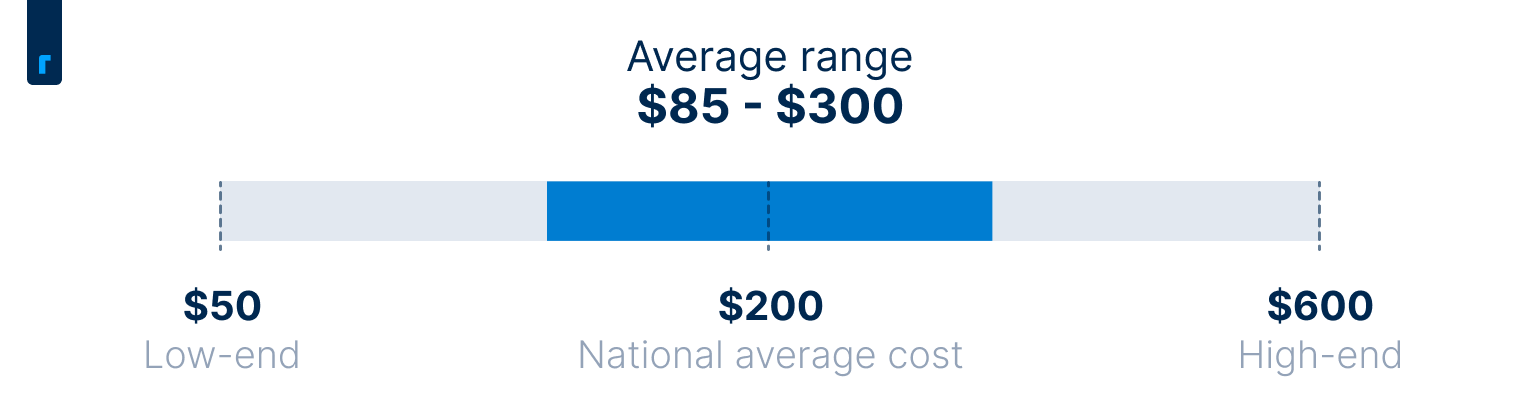
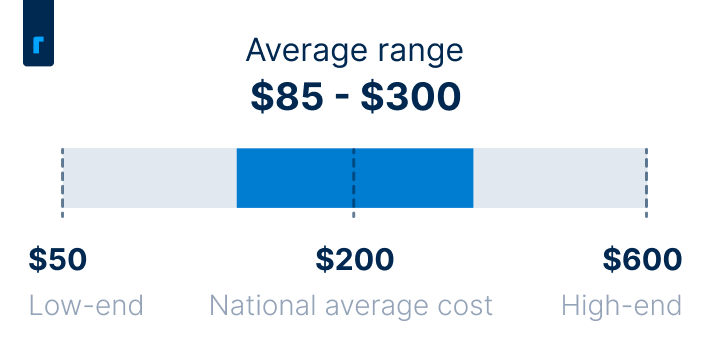
The average cost of thermostat replacement is $200, and most projects total between $85 and $300 for a programmable electric thermostat, which is the most common type of thermostat in modern homes.
Thermostat Replacement Cost
Thermostat Installation Cost by Type of Thermostat
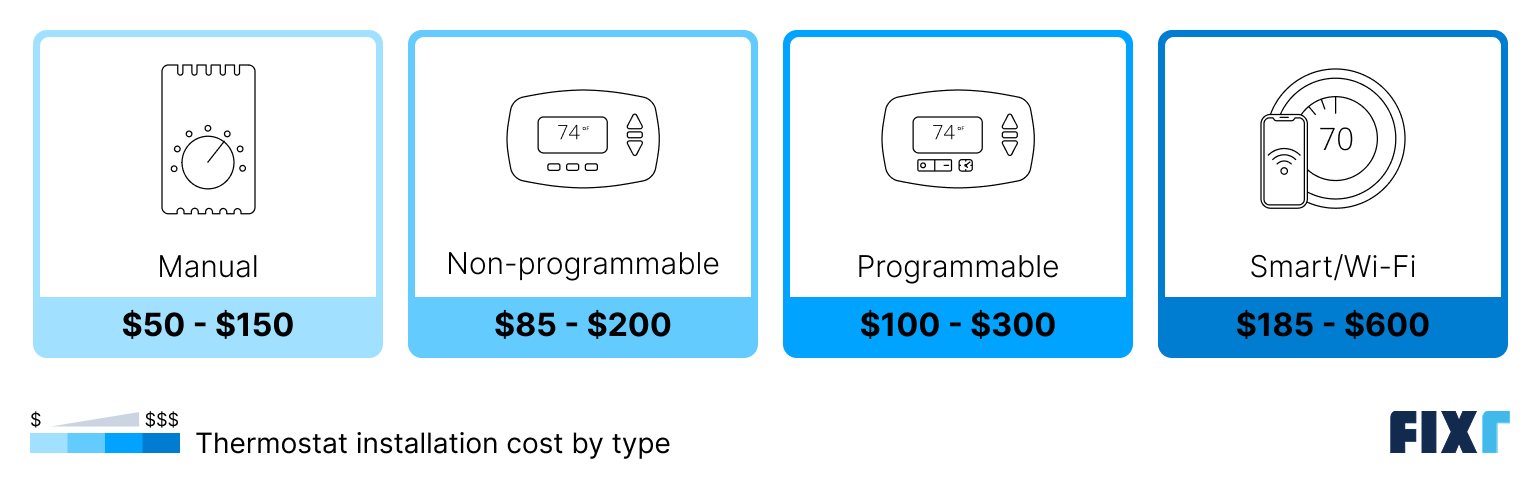
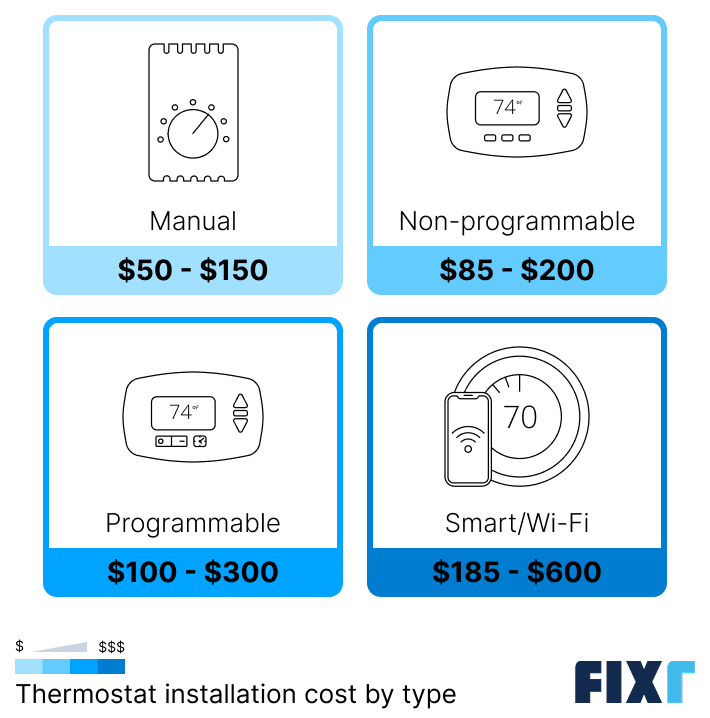
There are four main types of thermostats you can choose for your home, and your choice between them will have the biggest impact on your overall costs.
Thermostat Type | Cost to Install |
Manual | $50 – $150 |
Non-programmable electronic | $85 – $200 |
Programmable electronic | $100 – $300 |
Smart/Wi-Fi | $185 – $600 |
Manual
A manual thermostat is an older type of thermostat that allows you to set the temperature manually using a dial or slider. Once it’s wired, it sends information to your HVAC system to call for heating or cooling. These units typically cost $50 to $150 installed. They’re quick to set up but offer only basic control and are not programmable, making them less energy-efficient.
Non-Programmable
An electronic thermostat works similarly to a manual one, but the interface is digital, so you can set more precise temperatures, usually to the degree. Non-programmable electronic models cost $85 to $200, giving you better accuracy than manual units but still lacking automation.
Programmable Electronic
Programmable electronic thermostats, the most common choice for modern homes, allow you to schedule different temperatures for different times of day or days of the week. They cost between $100 and $400 to install, and their ability to optimize heating and cooling can result in energy savings that help you offset their higher initial costs.
Smart/Wi-Fi
Smart thermostat installation costs between $185 and $600, making it the most expensive option overall. These units may include geofencing, energy-saving recommendations, and integration with other smart devices in your home. Many are also eligible for energy efficiency rebates, which can help reduce the effective cost.
Investing in a more efficient type of thermostat, like a smart thermostat, will almost always pay for itself in a short amount of time. They can drastically reduce heating and cooling bills by giving you automated control over your temperature settings.
Labor Costs of Thermostat Replacement
Electricians are your best bet for thermostat replacement, and they charge between $65 and $100 per hour for their labor. In most cases, replacing a thermostat will take 1 to 2 hours, which puts your total labor costs between $65 and $200. You could see lower costs if you go with a handyperson, but hiring an electrician is the safest option and is worth the added cost.
Costs increase if the installation is more complex, such as when you’re moving the thermostat, installing one for the first time, or upgrading from an older manual model to a newer electronic or smart thermostat.
Replacement vs. New Installation
Installing a thermostat in a home that previously didn’t have one costs more than a simple replacement. Running new wiring can add $90 to $400, and minor drywall repairs may tack on another $120 to $160. Similarly, moving an existing thermostat requires rerouting wiring and repairing the wall, which can cost $200 to $560, depending on the difficulty.
Thermostat Housing Replacement Cost by Number of Units
In some cases, you may need to replace multiple thermostats at once, in which case your total cost will go up, but your per-unit cost will often come down. This is common in homes with multiple climate zones. Expect to pay between $50 to $300 for each thermostat installed.
You can often save by investing in one smart thermostat that can handle multiple zones rather than buying and installing individual programmable thermostats for each zone.
Additional Cost Factors
The type of thermostat you install and the labor costs are the primary cost drivers, but there are some other factors you may need to consider that can influence your thermostat installation price.
Brand: Cadet and Emerson typically offer the most affordable units, with prices starting as low as $15 and $20, respectively. Ecobee and Google Nest are among the most expensive brands, with some models costing as much as $400.
Geographic location: Where you live can affect labor costs. Expect to pay around $65 per hour for an electrician in a less expensive area and closer to $100 per hour in high-cost states and in and around major cities.
Area of the house: Installing in hard-to-reach areas or requiring extra sensors for accurate readings can increase cost, especially for smart models.
Signs a Thermostat Needs to be Replaced
Most thermostats can last around 10 years, but some components, like temperature sensors, can fail sooner. You may need a new thermostat if:
You’re still using a manual dial or slider without automation options.
Temperature readings are inaccurate, or your home has uneven heating or cooling.
Your energy bills are rising without explanation.
Buttons, touchscreens, or displays stop responding.
Your HVAC system short-cycles, which means it turns on and off rapidly. This can cause damage and higher energy use.
DIY vs. Professional Installation
It’s technically possible to swap out a thermostat yourself, provided you’re not upgrading from one type to another, and assuming you don’t need to run a new C-wire for the installation. However, even in those cases, DIY work carries risks. Electric shock, damage to HVAC equipment, or voiding manufacturer warranties are real concerns. Professionals ensure safety, proper installation, and compliance with local codes.
Additional Considerations & Cost Savings
There are a few other minor costs you should think about, as well as some general things worth considering before you dive into this project.
Permits: Replacing an existing thermostat typically doesn’t require a permit, but new installations or wiring may add $50 or more to your total.
Rebates: Local municipalities or utility companies might offer rebates if you install a programmable electronic thermostat or a smart thermostat. Check the Database of State Incentives for Renewables and Efficiency (DSIRE) for local information.
Interfacing with your equipment: If you have smart HVAC or water heating systems, make sure your new thermostat is compatible to fully leverage efficiency features.
FAQs
Labor to replace a thermostat usually costs between $65 and $200, though this can vary depending on the type of thermostat and the complexity of the job.
It’s possible to replace your thermostat yourself if you’re not upgrading from one type to another. However, it’s usually best to hire a professional. While DIYing is possible, you run the risk of electric shock, damaging your HVAC equipment, or, in extreme cases, increasing the risk of house fire.
Electricians typically charge between $65 and $100 per hour to install a thermostat, and with installations taking 1 to 2 hours, you’re looking at a total labor cost of between $65 and $200.
In most cases, it’s better to replace a thermostat rather than repair one. Thermostat repairs usually cost at least $150, and for an additional $50, on average, you could get a brand new one that’s less likely to fail going forward and may offer more functionality.
Most professionals can replace a thermostat in under an hour, but the job can take up to 2 hours if they need to run new wiring behind your walls.