El Niño Impact: A strong El Niño event is expected in fall and winter 2026-2027, bringing increased precipitation and storminess to California, the Southwest, Southeast, and East Coast regions.¹
Roof Vulnerabilities: Extended dry periods and prior sun exposure can degrade roofing materials, making them more susceptible to heavy rain, wind, and moisture during El Niño.
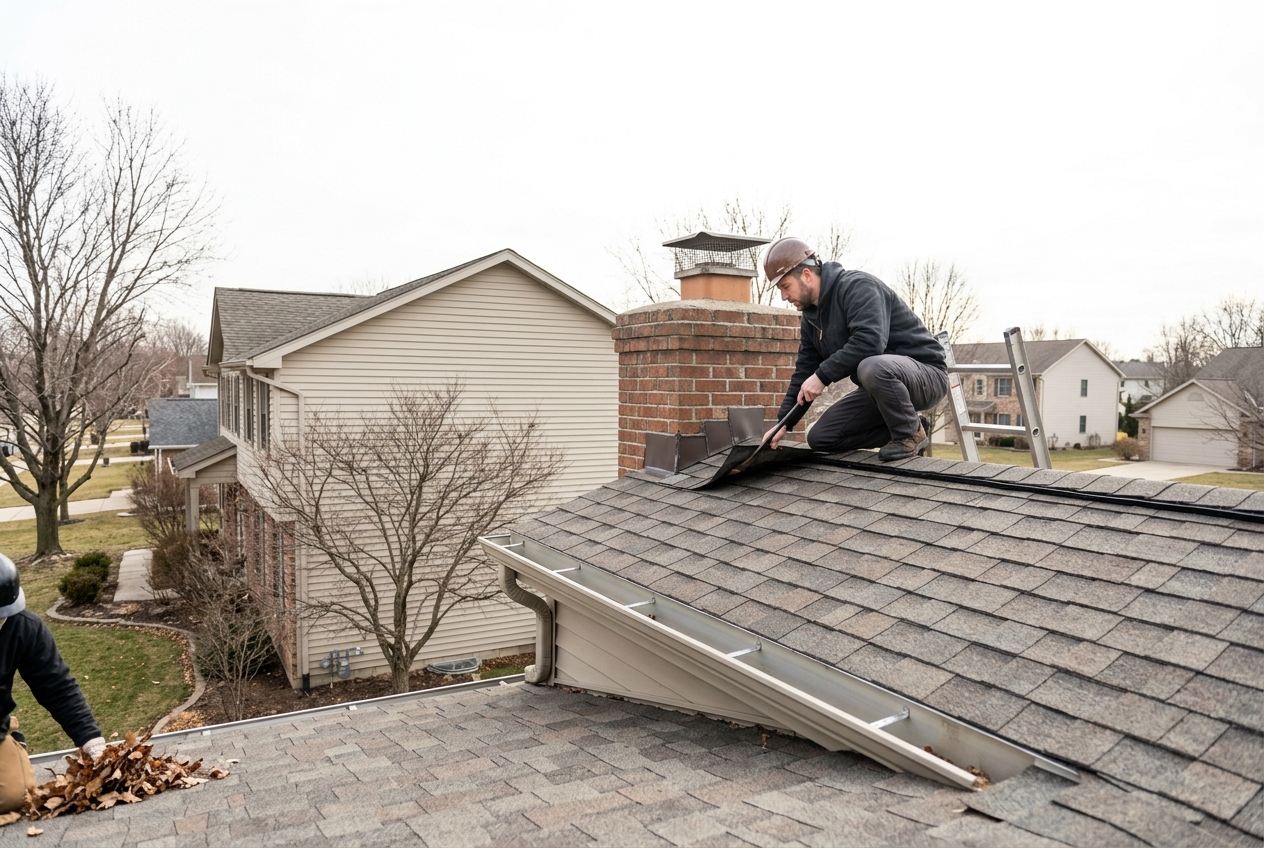
Preparation Steps: Focus on clearing gutters, inspecting flashing, checking shingles for damage, securing vents, and trimming trees to prevent storm-related roof damage.⁴
When to Call a Pro: Schedule a professional roof inspection if your roof is old, has leaked before, or shows visible damage; book early to avoid the pre-storm rush.⁵
The National Oceanic and Atmospheric Administration (NOAA) has issued an El Niño Advisory for the fall and winter of 2026-2027. This advisory indicates a greater than 90% chance of a very strong El Niño event, with a 75% chance it could reach historic strength, exceeding any event since 1950¹. Homeowners in specific regions of the US should prepare for significantly wetter and stormier conditions.
El Niño typically shifts major winter storm tracks south across the US. This leads to increased precipitation and storminess in southern states. California, the Southwest, and the East Coast are expected to see above-normal rainfall during this period². The Southeast and Gulf Coast regions have a strong early-season wet signal with high probabilities for above-normal precipitation.
How El Niño Impacts Your Roof
El Niño itself does not directly damage roofs. Instead, the associated weather conditions—heavy rain, high winds, and increased moisture—stress roofing systems⁴. These conditions can expose existing weaknesses in your roof structure and materials.
Prolonged dry periods, common in areas like California before El Niño, can degrade roofing materials. Sun exposure bakes oils out of asphalt shingles, dries sealant strips, and opens small gaps in flashing and vents⁵. This leaves roofs more vulnerable to sudden, heavy rain.
Increased precipitation can overwhelm drainage systems and cause localized flooding on roofs. This exposes weaknesses like cracked shingles, deteriorated flashing, and worn seals. Strong winds can also tear off shingles directly or cause falling trees and debris⁴. Wind-driven rain can penetrate under shingles and poorly sealed flashing⁶.
Your El Niño Roof Preparation Checklist
Preparing your roof for El Niño should ideally occur during dry weather. This ensures effectiveness and safety⁵. A proactive approach can prevent minor issues from becoming costly emergency repairs once storms begin.
Schedule a Professional Inspection
A professional roof inspection is recommended, especially if your roof hasn't been checked recently, has leaked before, shows visible damage, or is older. For asphalt shingles, consider an inspection if the roof is over 12-15 years old; for tile underlayment, consider it if over 20 years old. Professionals can identify subtle vulnerabilities before they escalate⁵.
Many roofing companies offer free storm-readiness inspections, often including photos and a written summary¹. It is wise to book these early. Roofers become very busy once storms start⁵. A thorough inspection should include ground observations, close-up photos, attic access, and drone images for difficult-to-view sections⁷. They can also spot hidden leaks not apparent to an untrained eye. To learn more about what a professional inspection entails, read our guide on Roof Inspection.
Clear Gutters and Downspouts
Clogged gutters are a primary cause of roof-related water damage. Clear them of leaves, pine needles, sticks, and other debris⁴. Blocked gutters prevent water from draining properly, causing it to pool and seep under shingles, damage fascia, and lead to leaks or rot⁵.
Flush downspouts with a hose to ensure free water flow and check for deeper clogs. Ensure downspouts extend 5-10 feet away from your home's foundation to direct water effectively⁵. Also, inspect gutters for loose brackets, sagging sections, or any areas pulling away from the fascia⁸.
Flat or low-slope roofs require special attention due to slower water drainage. Check for ponding water that remains for more than a day or two after rain, cracks, blisters, open seams, and worn or deteriorated coating. Ensure all drains and scuppers are clear of debris and that strainers are in place.⁵
Inspect Flashing and Seals
Flashing provides critical seals around roof penetrations like chimneys, skylights, vents, and valleys. It is a common point of failure for leaks. Look for lifted edges, rust, gaps, cracks, or deteriorated sealant around these areas⁵.
Heat expansion and contraction can loosen sealant over time, allowing wind-driven rain to penetrate flashing. Even small defects can lead to significant moisture intrusion. Pay close attention to pipe boots, which can crack from sun exposure and are frequent leak sources¹.
Check Shingles and Tiles
Examine your roof's shingles or tiles for any signs of damage. Look for cracks, curling, missing pieces, or lifting sections⁵. Wind-driven rain can get underneath damaged shingles¹. Asphalt shingles showing "alligatoring"—cracks resembling alligator skin—can fail quickly under heavy rain.
Granule loss on asphalt shingles, often visible in gutters, indicates wear and reduced protective capability¹. For tile roofs, a single slipped tile can expose the underlayment, which is not fully waterproof⁵.
Secure Vents and Trim Trees
Ensure all plumbing vents, attic vents, and exhaust caps are securely fastened. Check that their flashing and rubber seals are intact⁹. These components can degrade over time, creating pathways for water.
Trim any damaged, weakened, or overhanging tree branches away from your roof. Strong winds can cause these branches to fall, leading to substantial roof damage⁴. Branches can also scrape shingles and deposit debris into roof valleys⁸.
Inspect Your Attic and Ceilings
Before the heavy rains start, inspect your attic and top floors for any interior signs of leaks. Look for water stains on ceilings or walls, bubbling or peeling paint, discoloration around light fixtures, musty smells, or damp insulation⁵. Small interior stains before winter can indicate larger leaks once storms begin⁹. A dry brown ring often signifies a past leak that stopped when the rain subsided¹.
Pros
- + Proactive preparation prevents larger, more expensive repairs.
- + Improves roof longevity and structural integrity.
- + Reduces risk of interior water damage and mold.
Cons
- - Requires time and effort before winter.
- - May involve professional costs for inspections or repairs.
- - Missed issues can still lead to damage during severe storms.
When to Call a Roofer
Knowing when to seek professional help is crucial for effective El Niño roof preparation. Do not delay in contacting a qualified roofer if you encounter certain situations.
Professional Inspection Needs
Call a roofer for an inspection if your roof hasn't been checked recently, has leaked before, or shows visible damage. A professional assessment is also wise before the intense El Niño storms begin¹. Book these inspections early to avoid the rush once storms pick up⁵.
Repairing Identified Issues
If an inspection reveals issues you are unsure how to handle, or if you identify significant damage, call a professional for repairs. This includes missing shingles, cracked tiles, rusted or lifted flashing, or persistent interior leaks⁵. Addressing these small issues proactively prevents them from escalating into costly emergency repairs⁹. Our Roof Repair guide offers insights into common repair types and their costs.
Addressing Active Leaks
If you discover an active leak during rainfall, prioritize safety. If safe, photograph the visible damage and cover the leak to minimize interior water damage. Schedule a professional inspection immediately⁵. During active rainfall, emergency work typically focuses on stabilization, such as tarping; permanent repairs are usually performed once dry weather returns.
Other Professional Services
Consider hiring a professional to evaluate your property's overall drainage if you have a history of drainage problems or observe water pooling around your home⁴. For clogged gutters that are difficult or dangerous to access, professional cleaning or evaluation is a safer option⁷.
A professional roof evaluation is also recommended for older roofs. This includes asphalt shingle roofs over 15-20 years old, flat roofs or coatings over 10-15 years, or tile roofs with unreplaced underlayment⁵.
Review Your Homeowners Insurance
Standard homeowners insurance typically covers damage from heavy rain, hail, and winds associated with El Niño storms. This includes damage like ripped-off shingles or moisture damage resulting from a wind-damaged roof⁴.
However, standard policies generally do not cover flood damage or mudflows. These often require separate or additional coverage. Review your insurance policy and confirm your coverage with your insurer before the storm season begins⁴. Documenting your roof's condition with dated photos and a written inspection report can be helpful if you need to file an insurance claim¹.
California, the Southwest, the Southeast, and the East Coast are expected to experience above-normal precipitation and stormier conditions during the upcoming El Niño winter of 2026-2027.²
El Niño causes wetter and stormier conditions, including heavy rain and high winds. These conditions stress roofing systems, exposing existing weaknesses like degraded shingles, flashing, and seals, leading to potential leaks or damage.
Schedule a professional roof inspection if your roof hasn't been inspected recently, has leaked before, shows visible damage, or for asphalt shingles over 12-15 years old, or tile underlayment over 20 years old.
Clogged gutters can cause water to pool, seep under shingles, damage foundations, and lead to leaks or rot. Clearing them ensures proper drainage and protects your roof and home.
Standard homeowners insurance usually covers damage from heavy rain, hail, and winds from El Niño storms, such as ripped-off shingles. However, flood damage and mudflows typically require separate or additional coverage.
Look for cracked, curling, or missing shingles, lifted flashing, rust around roof penetrations, water stains on ceilings or walls, and excessive granule loss from asphalt shingles.
Yes, trim any damaged, weakened, or overhanging tree branches away from your roof. This prevents them from falling and causing damage during high winds and heavy storms.⁴
If safe, photograph the damage and cover the active leak to minimize interior water damage. Then, schedule a professional inspection immediately. Permanent repairs typically occur once dry weather returns.⁵
Deana is a Home Improvement Editor with a passion for helping homeowners navigate renovation, repair, and remodelling with confidence. Specializing in roofing, kitchen and bath remodelling, and outdoor living spaces, she combines industry knowledge with a genuine commitment to making complex home projects feel approachable for readers at every stage of their journey.
Her path into home improvement media began after several years working alongside licensed contractors in project coordination, where she gained firsthand exposure to the realities of home renovation - from permitting delays to material sourcing challenges. This hands-on experience gave her a practical, ground-level understanding of what homeowners actually need to know before hiring a contractor, choosing materials, or starting a project - insight that now shapes every piece of content she creates.
As an editor, Deana oversees content covering product reviews, cost guides, seasonal maintenance tips, and contractor vetting advice, working closely with writers and industry experts to ensure accuracy and relevance. She has a particular interest in emerging trends like smart home technology and energy-efficient upgrades, and enjoys translating technical information into clear, actionable guidance for homeowners.
Beyond editorial oversight, Deana stays closely connected to the pulse of the home improvement industry - tracking shifts in consumer preferences, pricing trends, and the challenges homeowners face when navigating renovation projects, from budgeting to finding trustworthy professionals.
When not editing, Deana enjoys visiting local open houses for design inspiration and tackling small DIY projects around her own home. Based in Adelaide, Australia, she believes a well-maintained, thoughtfully upgraded home is one of the most meaningful investments people can make in their day-to-day quality of life.
Sources:
El Niño Roof Preparation: Get Your Roof Ready Before the Rain (infroofing.com)
Super El Niño Winter 2026-27: What U.S. Travelers Need to Know, 2026 (travelpirates.com)
Farmers' Almanac Winter Forecast 2026-2027: Zones, El Nino and Snow Outlook, Caleb Weatherbee (farmersalmanac.com)
El Nino Preparation: Tips for Homeowners, 2026 (smartfinancial.com)
El Niño Is Coming to Southern California. Is Your Roof Ready? — CTC Journal, California Trusted Contractor, 2026 (catrusted.com)
El Niño and How It Affects Your San Diego Roof (fordroofingsd.com)
El Niño Roof Preparation for Northern California Homes, Richard Hockett, 2026 (richardhockettroofing.com)
Roof Maintenance Checklist: Get Your Roof Ready Before the Rain, 2026 (infroofing.com)
El Niño Roof Checklist: Is Your Roof Ready for the Rain?, 2026 (suncraftroofing.com)