
Updated: March 7, 2025
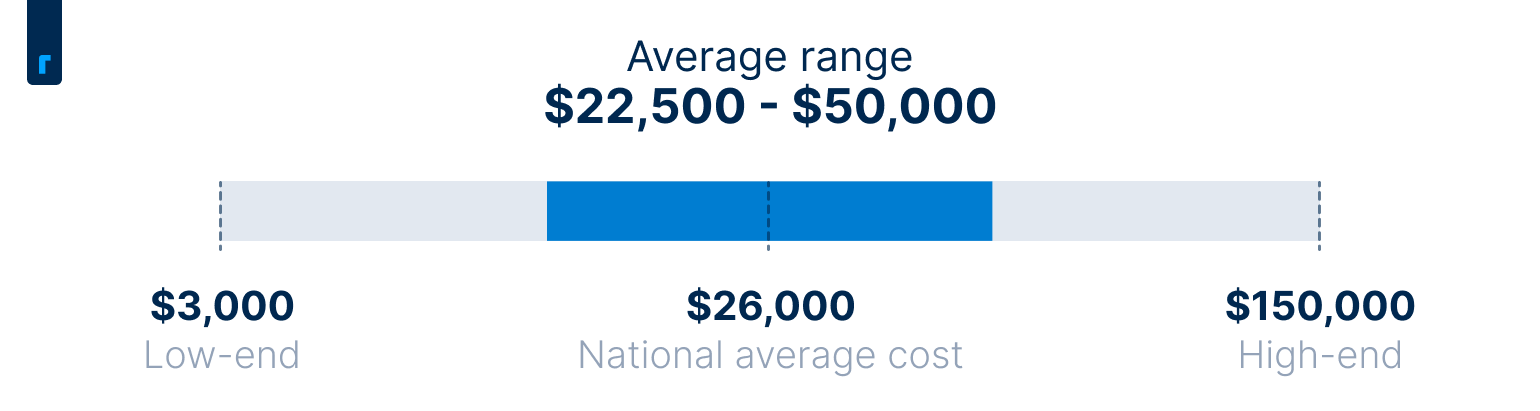
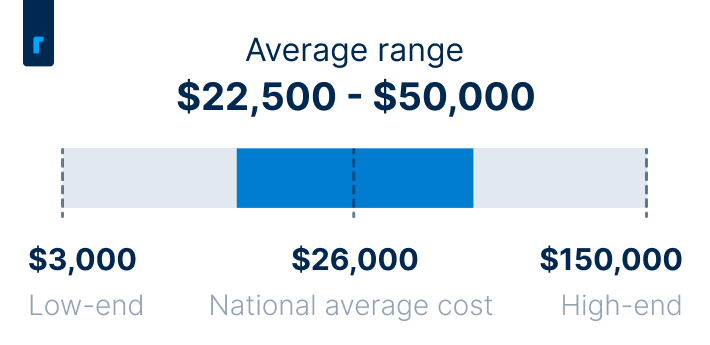
The national average cost to install brick siding is $26,000, with most homeowners spending between $22,500 and $50,000. That wide range reflects the real choice at the heart of any brick project: whether you're doing full solid brick, a traditional mortared veneer, or a lightweight thin-veneer system makes an enormous difference in both price and complexity.
It's a significant investment, but brick earns it. Depending on the system, you're looking at a 50 to 100+ year lifespan and very low ongoing maintenance. Few exterior materials come close on all three counts.
Cost to Brick a House
Brick Siding Installation Cost by Type
More than any other factor, the type of brick system you choose determines your budget. Installed costs range from $8 to $30 per square foot depending on which system you go with. Here's how the four main options stack up:
Siding Type | Installed Cost per Sq. Ft. |
Thin brick veneer | $8 – $18 |
Brick veneer | $12 – $18 |
Faux brick panels | $14 – $24 |
Solid / full-thickness brick | $14 – $30 |
Thin Brick Veneer
At $8 to $18 per square foot installed, thin brick veneer is the most affordable real-brick option. These are real fired-clay bricks, just sliced thin to 3/8–1 inch, and adhered directly to the wall substrate. Because they weigh much less than full bricks, they don't require a structural ledger or foundation modifications, making them the go-to choice for re-siding projects.
Brick Veneer
Expect to pay $12 to $18 per square foot installed for full brick veneer. This is the classic brick siding system: standard modular bricks laid in mortar with metal wall ties and a small air gap between the brick face and the building frame. It's the most common residential approach and the one most people picture when they think 'brick house.' The catch is that it needs a structural shelf angle or ledger at the base for support, and if your existing foundation isn't wide enough to accommodate one, that's an additional cost to plan for.
Faux Brick Panels
Installed costs run between $14 and $24 per square foot, which is higher than real thin veneer. The premium is in the materials (polyurethane or resin panels cost $6–$13/sq. ft.), while labor is actually the cheapest. They're the most DIY-accessible option, but also the least durable, prone to fading, scratching, and cracking in ways that real brick simply isn't.
Solid Brick
The most expensive option at $14 to $30 per square foot installed, solid or double-wythe brick is a structural wall system, not just a cladding layer. It's the gold standard for permanence, but it's also the most expensive and structurally demanding option, which is why you'll mostly find it in new construction rather than retrofits. Adding the required footings and reinforcement to an existing home is rarely practical or cost-effective.
Cost to Brick a House per Square Foot
For a typical 2,000 sq.ft. home, brick veneer installation runs $12,000 to $36,000. Contractors price by exterior wall area, not interior living square footage, and the two numbers are rarely the same.
Home Size | Est. Wall Area | Brick Veneer Cost |
1,000 sq. ft. | 1,200 sq. ft. | $14,400 – $21,600 |
1,500 sq. ft. | 1,600 sq. ft. | $19,200 – $28,800 |
2,000 sq. ft. | 2,000 sq. ft. | $24,000 – $36,000 |
2,500 sq. ft. | 2,400 sq. ft. | $28,800 – $43,200 |
3,000 sq. ft. | 2,800 sq. ft. | $33,600 – $50,400 |
If the full-exterior price is out of reach, bricking just the front facade is a widely used strategy. Covering 250–750 sq.ft. of street-facing wall typically costs $3,000–$13,500 and delivers most of the curb appeal and resale value benefit at a fraction of the price.
What Factors Affect the Cost of Brick Siding Installation?
Material type and home size set the baseline, but several other variables can move your final quote significantly, some predictable, some easy to miss.
Labor
Masonry is a specialized trade, and you'll feel that in the bill: labor typically accounts for 40–60% of total project cost. Professional rates run $1 to $20 per square foot installed. If your home is two stories, expect to add 25–35% to the labor estimate, as scaffolding and safety requirements drive that premium.
Existing Siding Removal
Before any brick goes up, the old cladding usually comes down. Removing vinyl runs $1 to $2 per square foot, and old brick is $3 to $6 per square foot. Budget $150 to $1,500 for removal plus $250 to $500 for debris disposal. Thin veneer can sometimes be installed over existing sheathing if the substrate is in good condition, skipping removal entirely.
Permits
Most brick installations are structural enough to require a permit, which typically costs $150–$1,500 depending on your municipality. If foundation or ledger work is involved, a structural engineer review may also be required. Contractors usually handle the permit application, but the fee gets passed along to you.
Footing and Foundation Requirements
This is the surprise cost that catches the most homeowners off guard. Full brick veneer needs a structural shelf angle at the base of the wall, and if your existing foundation doesn't extend far enough to support one, modification can add $5 to $15 per sq.ft. to the total. It's one of the main reasons thin veneer dominates re-siding projects; it sidesteps this issue completely.
Geographic Location
Where you live has a real impact on what you'll pay. Mason wages in the New York metro average around $47/hr; in Florida and Arizona, closer to $23–$24/hr. The Northeast and West Coast run the highest, the Midwest and South run the lowest. Materials also cost more the farther they travel. Brick is heavy, and freight adds up.
Home Complexity
A simple rectangular box is always cheaper to brick than a home with arches, dormers, or irregular rooflines. A single 6-foot arch over a window can add between $400 and $700 in labor; decorative corner detailing adds $600–$1,200. Difficult site access or a sloped lot can tack on another 10–20% in surcharges.
Cost to Replace Vinyl Siding With Brick
Re-siding an existing home is a different project from new construction. It's not just installation, it's also demolition, wall inspection, and moisture barrier work. Thin brick veneer is almost always the right choice here; its lighter weight avoids the foundation complications that would come with full veneer.
All in, a full re-siding project on a 1,500–2,000 sq.ft. home using thin brick veneer typically runs between $12,000 and $40,000.
Brick Siding vs. Other Siding Options: Cost and Value Compared
Brick costs more upfront than most alternatives, that's not in dispute. But its 50–100+ year lifespan and near-zero maintenance requirements make the long-term ownership cost more competitive than the installation price alone suggests. Here's how it stacks up:
Siding Type | Installed Cost/Sq. Ft. | Lifespan | Maintenance |
$2–$12 | 20–40 yrs | Low | |
$5–$22 | 25–50 yrs | Low–Medium | |
$1–$12 | 20–40 yrs | High | |
Brick veneer | $8–$18 | 50–100+ yrs | Very Low |
Solid brick | $14–$30 | 100+ yrs | Very Low |
$10–$45 | 50–75 yrs | Low |
Vinyl and engineered wood have significantly lower upfront costs, but they'll need repainting, repairs, or replacement within 20 or 40 years. Fiber cement is the most direct competitor to brick veneer, with better durability than vinyl, manageable maintenance, at roughly a third of the price. The right call comes down to how long you plan to stay in the home and how much ongoing maintenance you're willing to take on.
DIY Brick Siding vs. Hiring a Pro
For full brick veneer or solid brick, professional installation isn't just recommended, it's really the only practical option. Laying bricks to the tolerances required, setting the shelf angle correctly, managing wall ties, flashing, and weep holes: each of these steps requires masonry experience, and mistakes in any of them can lead to moisture intrusion or structural problems that are expensive to fix. Add the equipment list, and the cost savings of DIY largely evaporate.
Faux brick panels are the realistic exception. Foam-backed panel systems are designed for easier installation, and a careful homeowner with basic carpentry skills can often handle them. Even so, most municipalities require a permit and inspection regardless of who does the work.
How to Save Money on Brick Siding
There's no way to make brick cheap, but there are smart ways to spend less without cutting corners on quality.
Choose thin brick veneer over full veneer. The visual result is nearly identical, the installed cost is lower, and you avoid the ledger and footing expenses that can add thousands to full veneer projects.
Brick only the front facade. Street-facing coverage costs $2,000 to $18,000 and delivers most of the curb appeal and resale value of a full-exterior project at a fraction of the price.
Get at least three quotes. Mason pricing varies more than most trades. Multiple bids from licensed contractors is the single most effective cost-reduction strategy available to you.
Schedule off-peak. Late fall and early winter tend to be slower for masonry contractors, which can translate to better availability and more competitive pricing.
Supply your own materials. Some contractors allow homeowners to purchase brick directly from a supplier, bypassing the markup. Confirm grade and quantity requirements before you buy.
Brick Siding Cost FAQ
Buyers treat brick as a premium indicator, and homes with brick exteriors consistently support higher sale prices than comparable vinyl or wood-sided properties. There's also an insurance angle: many insurers offer lower premiums on brick homes due to their fire resistance and wind durability.
Solid brick and full brick veneer can last 100 years or more. Full veneer systems typically fall in the 50–100 year range; thin brick veneer, which depends on its adhesive system, runs 20–50 years. The brick units themselves rarely fail; what requires periodic attention are the mortar joints, grout, and flashing. Repointing every 20–30 years is the main maintenance task, and it extends the life of the wall significantly.
Yes, but how you do it matters. Thin brick veneer is the standard approach for retrofits, it's light enough to be supported by existing wall sheathing without any foundation work. Full brick veneer is more complex: it needs a structural shelf angle at the base, and if the existing footing isn't wide enough, modification can add $5 to $15 per square foot.
Brick offers thermal mass. This means it absorbs heat during the day and releases it slowly at night, which helps smooth out indoor temperature swings. That said, brick itself has a relatively low R-value. A full veneer system with an air gap delivers roughly R-8 to R-10, compared to R-16 to R-30 for modern insulated systems like EIFS. The energy benefit is real, but it's most meaningful in climates with wide daily temperature variation.
Using brick veneer, the installed cost on a 2,000 sq.ft. home typically runs $24,000 to $36,000. If the project involves foundation work or you're choosing solid brick, expect to land at or above the high end of that range.