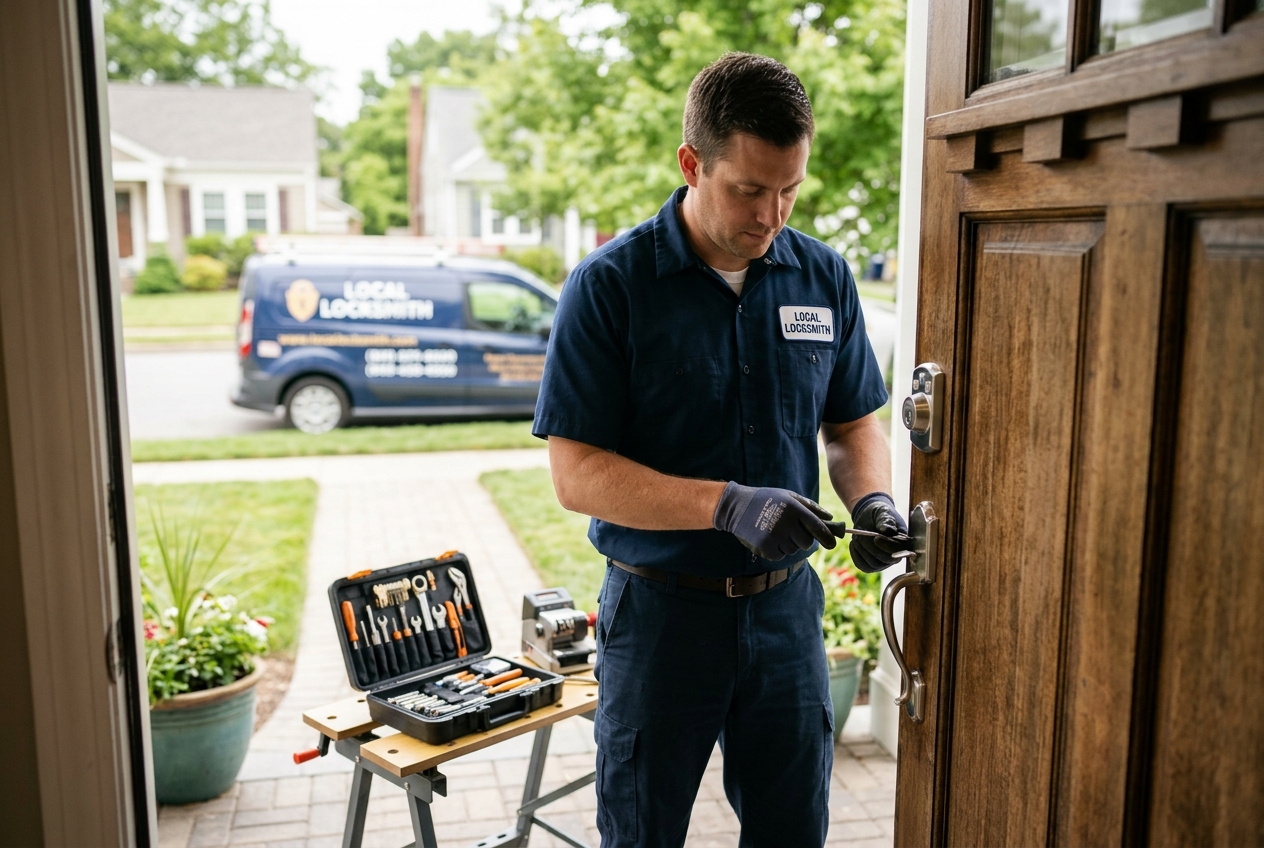
Verify Licensing: Locksmith licensing varies by state and locality; always check credentials to ensure professionalism and compliance.
Beware of Scams: Watch for red flags like lowball phone quotes that escalate on-site, unmarked vehicles, and cash-only demands.
Understand Emergency Costs: Expect higher prices for after-hours or emergency service due to immediate response and schedule disruption.
Ask Key Questions: Before hiring, inquire about detailed estimates, service guarantees, and non-destructive entry methods.
When you need a locksmith, especially during an emergency lockout, the pressure to find immediate help can make you vulnerable to unreliable services. Knowing how to vet a locksmith in advance can save you money and prevent potential security risks. This guide focuses on identifying reputable local professionals, understanding pricing, and spotting red flags.
Why Vetting a Locksmith Matters
Choosing a reputable locksmith protects your security and wallet. Unscrupulous providers can overcharge, perform shoddy work, or even compromise your property's safety. A trustworthy locksmith, on the other hand, ensures quality service and fair pricing. Researching in advance, rather than waiting for an emergency, can provide peace of mind¹.
Understanding Locksmith Licensing
Locksmith licensing requirements vary significantly across the United States. Locksmith licensing varies by state in the U.S., with no federal license, national authority, standardized exam, or reciprocity between states². This patchwork of regulations means you need to check local requirements carefully.
As of June 2026, 13 states commonly require statewide locksmith licensing: Alabama, California, Connecticut, Illinois, Louisiana, Maryland, Nevada, New Jersey, North Carolina, Oklahoma, Oregon, Texas, and Virginia. Additionally, some areas, like New York City and Nassau County in New York, have local locksmith licensing rules even if the state does not have a statewide license. Locksmith licensing often requires fingerprints, background checks, training, testing, insurance, and technician registration². These requirements ensure locksmiths meet established standards of professionalism and trustworthiness, protecting consumers and demonstrating advanced knowledge³.
Automotive locksmiths may face more stringent rules due to specialized key codes, immobilizer systems, and vehicle security information². Beyond state or local licenses, look for certifications from industry organizations like the Associated Locksmiths of America (ALOA). Certifications such as Certified Registered Locksmith (CRL), Certified Professional Locksmith (CPL), and Certified Master Locksmith (CML) indicate professionalism⁴. Verified directories like the Fair Trade Locksmith Directory claim to verify locksmiths for industry standards, licensing, and training⁵.
Common Locksmith Scams and Red Flags
The locksmith industry has its share of scams, particularly with emergency services. Knowing what to watch for can prevent you from becoming a victim.
Price Gouging Tactics
A common scam involves locksmiths quoting a very low price (e.g., $15-$30 for a lockout) over the phone, then drastically inflating the cost on-site due to claimed complexity or special tools⁶. This bait-and-switch tactic leaves homeowners in a difficult position, feeling pressured to pay the higher fee.
Pros
- + Legitimate locksmiths offer transparent pricing.
- + Reputable services explain all charges before work begins.
Cons
- - Scammers use low quotes to get on-site, then inflate prices.
- - Unexpected charges can lead to significant cost increases.
Unmarked Vehicles and Generic Answers
Legitimate locksmith services typically use branded vehicles; unmarked vehicles can be a red flag for unscrupulous providers. Similarly, be wary of generic phone answers like "locksmith service" instead of a specific company name, as unscrupulous locksmiths may operate under multiple aliases⁶.
Cash-Only Demands
Reputable locksmiths provide proper bills and receipts and accept credit or debit cards, unlike scammers who may demand cash-only payments. Always ensure you receive a detailed invoice.
Destructive Entry Methods
A trustworthy locksmith will attempt non-destructive methods first for lockouts before resorting to drilling or other damaging techniques⁶. If a locksmith immediately suggests drilling your lock without exploring other options, it may indicate a lack of skill or an intent to charge for a new lock.
What to Expect from Emergency Locksmith Services
Emergency, after-hours, weekend, and holiday locksmith calls generally incur higher costs due to immediate response and schedule disruption⁷. This higher pricing reflects the locksmith's availability, quick travel, off-hours work, and specialized equipment for modern security systems (e.g., transponder keys)⁸.
Emergency Service Costs
While this guide focuses on vetting, it's helpful to know typical emergency costs. Standard daytime hourly rates for locksmiths are around $75–$125. However, emergency/after-hours locksmith calls are around $150–$250. A standard trip or service-call fee, typically $50–$100, may be added or incorporated into the final job price⁷.
For specific automotive services:
Car unlock service typically costs $75–$150.
Transponder key programming typically costs $100–$250.
Ignition repair typically costs $150–$300.
Reputable locksmiths should provide a clear explanation of service charges, labor costs, and any additional fees, and inform customers of changes to work scope or price before proceeding⁸. To learn more about various locksmith services and their typical costs, you can visit our guide on locksmith services.
Steps to Vetting and Hiring a Locksmith
Finding a reliable locksmith involves several key steps to ensure you choose a trustworthy professional.
1. Research and Verify Credentials
Start by researching locksmiths in your area. Always verify a locksmith's credentials and local physical presence. Research locksmith reputations on trusted platforms like the Better Business Bureau (BBB) and Angi, and verify credentials to avoid fake reviews and scammers⁶.
2. Ask Detailed Questions Before Service
Before allowing any work to begin, ask specific questions. Always ask for a detailed estimate before work begins and confirm the price before allowing any work. Clarify if the locksmith provides the specific service needed (e.g., residential, commercial, automotive, safe)⁸. Understand the scope of work before authorizing it⁹.
Inquire about the methods they will use for a lockout. A trustworthy locksmith will attempt non-destructive entry first⁶. Also, clarify whether existing parts will change or if existing keys will still function after service⁹.
3. Confirm Pricing and Guarantees
Ensure you receive a detailed estimate before work begins, and confirm the final price before allowing any work. A reputable locksmith will provide a clear explanation of all charges and inform you of any changes to the scope or price⁸. Additionally, when hiring, ensure the locksmith offers guarantees on their service and materials, as a reputable locksmith stands by their work.
Similar vetting processes apply to other home services. For example, our guide on choosing a garage door company near me offers insights into selecting reliable contractors for other essential home repairs.
Making an Informed Decision
Finding a reliable locksmith, especially in an emergency, requires a proactive approach. By understanding licensing requirements, recognizing common scams, and asking the right questions, you can protect yourself and ensure professional service. Always prioritize verification and transparency. A bit of research beforehand can prevent costly mistakes and provide peace of mind.
For help with other home projects, consider our guide on hiring landscaping near me: a homeowner's guide to vetting services, which provides a similar framework for vetting.
Locksmith licensing requirements vary by state and local jurisdiction in the U.S. As of June 2026, 13 states commonly require statewide licenses, and some cities or counties have their own rules. Always verify local licensing requirements.
Common scams include locksmiths quoting very low prices over the phone (e.g., $15-$30) and then drastically inflating the cost on-site. Other red flags are unmarked vehicles, generic business names, cash-only demands, and immediate use of destructive entry methods like drilling.
Verify a locksmith's credibility by checking for state or local licenses, industry certifications (like ALOA), and reviews on trusted platforms such as the Better Business Bureau. Always ask for credentials before work begins.
Yes, emergency, after-hours, weekend, and holiday locksmith calls generally incur higher costs. This is due to the immediate response required, disruption to the locksmith's schedule, and specialized equipment for complex issues.
Before hiring, ask for a detailed estimate, confirm the final price, and inquire about their methods for lockouts (preferring non-destructive entry). Clarify if they offer guarantees on their work and materials, and ensure they provide the specific service you need.
A typical car unlock service costs $75–$150. However, prices can be higher for emergency, after-hours, or holiday services, potentially ranging from $150–$250 for the service call.
Yes, a trustworthy locksmith will always attempt non-destructive methods first for lockouts. Drilling or other damaging techniques should only be a last resort after all other options have been exhausted.
Yes, reputable locksmiths provide proper bills and receipts and accept various payment methods, including credit or debit cards. Be wary of any locksmith who demands cash-only payment.
Deana is a Home Improvement Editor with a passion for helping homeowners navigate renovation, repair, and remodelling with confidence. Specializing in roofing, kitchen and bath remodelling, and outdoor living spaces, she combines industry knowledge with a genuine commitment to making complex home projects feel approachable for readers at every stage of their journey.
Her path into home improvement media began after several years working alongside licensed contractors in project coordination, where she gained firsthand exposure to the realities of home renovation - from permitting delays to material sourcing challenges. This hands-on experience gave her a practical, ground-level understanding of what homeowners actually need to know before hiring a contractor, choosing materials, or starting a project - insight that now shapes every piece of content she creates.
As an editor, Deana oversees content covering product reviews, cost guides, seasonal maintenance tips, and contractor vetting advice, working closely with writers and industry experts to ensure accuracy and relevance. She has a particular interest in emerging trends like smart home technology and energy-efficient upgrades, and enjoys translating technical information into clear, actionable guidance for homeowners.
Beyond editorial oversight, Deana stays closely connected to the pulse of the home improvement industry - tracking shifts in consumer preferences, pricing trends, and the challenges homeowners face when navigating renovation projects, from budgeting to finding trustworthy professionals.
When not editing, Deana enjoys visiting local open houses for design inspiration and tackling small DIY projects around her own home. Based in Adelaide, Australia, she believes a well-maintained, thoughtfully upgraded home is one of the most meaningful investments people can make in their day-to-day quality of life.
Sources:
3 Ways to Find a Reliable Locksmith, Gabriel, 2020 (allamericanlocksmiths.net)
Which States Require a Locksmith License? 2026 State-by-State Guide (bestkeysupply.com)
Understanding Locksmith License Requirements by State (fieldpulse.com)
ALOA CERTIFICATION (aloa.org)
Fair Trade Locksmiths - Local Locksmiths, 2021 (fairtradelocksmiths.com)
Scam Locksmiths: How to Spot the Fakes and Protect Your Property (jjlocks.com)
Locksmith Hourly Rate US: What to Charge and Keep (heyjodie.com)
What Questions Should You Ask A Locksmith Before Hiring (otlockservices.com)
Questions To Ask Before Locksmith Work Begins (key.me)