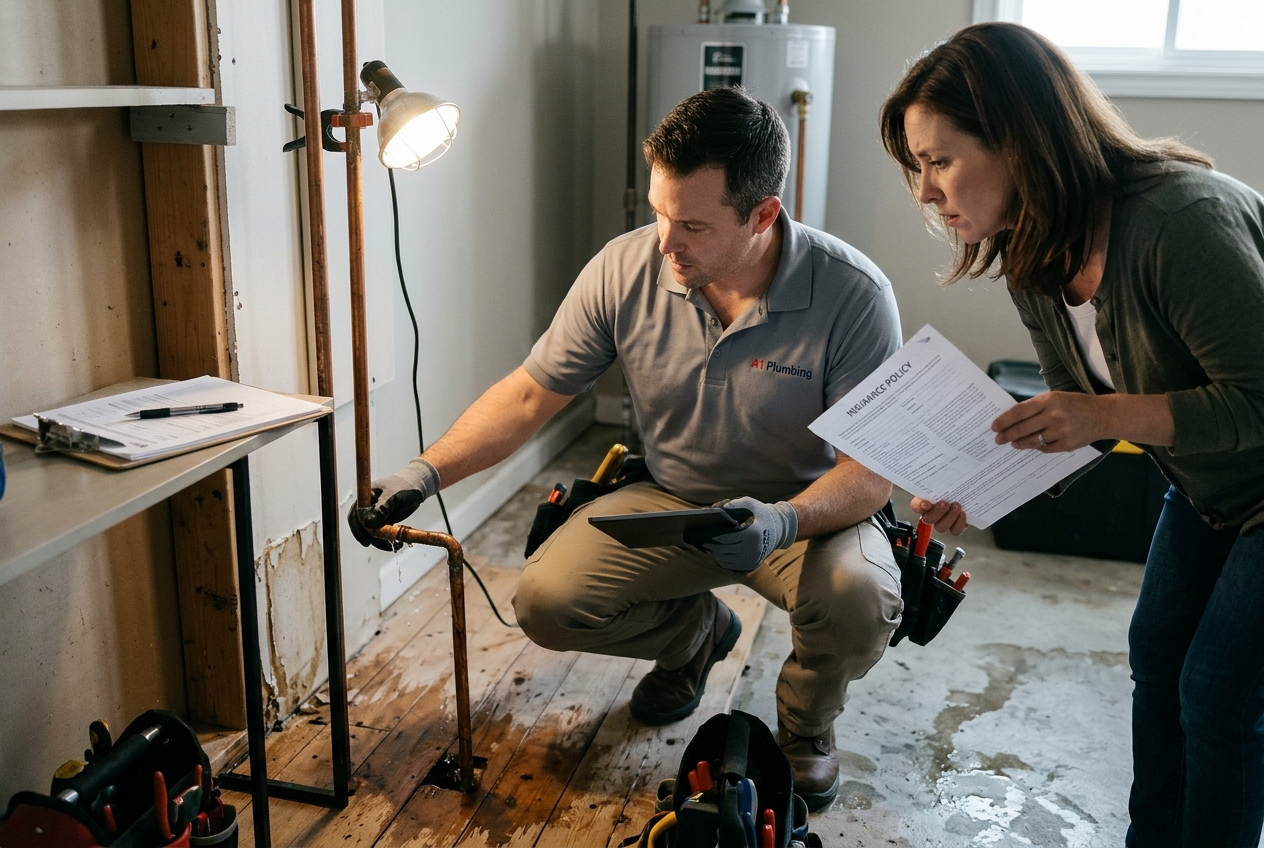
Standard Coverage: Most homeowners insurance policies cover sudden water damage from burst pipes, including repairs and damaged property.
Common Exclusions: Damage from neglect, continuous leaks, or poor maintenance is typically not covered.
Pipe Repair vs. Damage: The cost to repair the pipe itself may be excluded, even if the resulting water damage is covered.
Timely Response: Addressing burst pipes quickly significantly reduces overall restoration costs and potential mold growth.
When a pipe bursts in your home, the immediate concern is the damage to your property and the resulting repair costs. Understanding how homeowners insurance handles these situations is crucial for managing expenses and recovery. Standard homeowners insurance generally covers sudden and accidental water damage caused by a burst pipe. This coverage typically extends to repairing covered water damage, drying affected areas, and replacing damaged personal property, subject to policy limits and deductibles. However, the cost of repairing or replacing the burst pipe itself may not be covered.
However, not all damage from a burst pipe falls under standard coverage. Homeowners must understand the limitations and exclusions in their policies to avoid unexpected out-of-pocket expenses. This guide details what homeowners insurance typically covers for burst pipe damage, common exclusions, and how to approach a claim effectively.
What Homeowners Insurance Covers
A standard homeowners insurance policy generally provides coverage for sudden and unexpected water damage from a burst pipe. This protection aims to help homeowners recover from the immediate impact of such an event.
Coverage typically includes damage to the dwelling itself. Damage to dwelling components like walls, floors, ceilings, and built-in fixtures is often covered by homeowners insurance¹. For instance, if water soaks through your drywall or warps your hardwood floors, your policy would likely cover the repair or replacement of these items.
Beyond structural damage, homeowners insurance usually covers personal property damaged by the water¹. This can include furniture, electronics, clothing, and other belongings inside your home. The coverage for personal property is subject to specific limits outlined in your policy.
If a burst pipe makes your home uninhabitable, your policy may also include additional living expenses, often called Loss of Use coverage¹. This helps cover costs like temporary housing, meals, and other necessary expenses while your home undergoes repairs. Water damage claims can result in substantial repair and restoration expenses, particularly when flooring, drywall, furniture and other household materials are affected.
The Burst Pipe Itself
A key distinction in many policies is the coverage for the burst pipe itself versus the damage it causes. While the water damage to your home and belongings is often covered, the actual cost to repair or replace the burst pipe itself is frequently excluded².
However, some policies may cover the cost of tearing out and replacing building materials, such as drywall or flooring, to access and repair the burst pipe². For example, if a pipe behind a wall bursts, the cost to remove and then replace the drywall to fix the pipe might be covered, even if the pipe repair itself is not. Always review your policy details or consult your insurer for clarity on this aspect. For specific costs to repair the pipe, refer to our guide on Burst Pipe Repair Cost.
Common Exclusions from Coverage
While homeowners insurance provides significant protection, several scenarios related to burst pipes are typically not covered. These exclusions highlight the importance of regular home maintenance and prompt action.
Delaying a response to a burst pipe can significantly increase repair and restoration costs. Mold can develop within 24 to 48 hours of water exposure.
Damage resulting from neglect, continuous leaks, wear and tear, or improper maintenance is generally excluded. Insurers expect homeowners to maintain their plumbing and heating systems to prevent problems¹. For example, damage caused by a long-term leak or a failure to address a known plumbing problem may be excluded. However, coverage for a sudden pipe burst can depend on the policy's wording and the circumstances, even when the pipe has deteriorated over time. Similarly, damage from aging pipes or gradual seepage is typically excluded³.
Freezing pipes in unheated homes may also be excluded if reasonable precautions were not taken¹. This includes maintaining a minimum temperature during cold weather or shutting off the main water supply and draining pipes when a home is vacant for an extended period.
Standard homeowners insurance does not cover all types of water damage. Flood damage from external water, like overflowing rivers or storm surges, is not covered by standard homeowners insurance and requires a separate flood policy. Additionally, sewer backups or drain issues are generally not covered by standard policies unless a specific endorsement is added¹.
Maximizing Your Insurance Claim
Navigating an insurance claim for burst pipe damage requires prompt action and thorough documentation. A quick response can significantly reduce the overall costs and increase the likelihood of a successful claim.
Pros
- + Covers sudden, accidental water damage to dwelling and personal property.
- + May cover additional living expenses if the home becomes uninhabitable.
- + Can cover costs to access and repair the pipe (e.g., drywall removal).
Cons
- - Typically excludes damage from neglect, continuous leaks, or poor maintenance.
- - Often does not cover the cost of repairing the burst pipe itself.
- - Excludes flood damage, sewer backups, and gradual seepage unless endorsed.
Immediate Actions
When a pipe bursts, the first step is to shut off the main water supply to your home. This stops further water flow and limits damage. Then, contact a qualified plumber immediately to address the pipe repair. A delayed response can substantially increase restoration costs as water spreads into flooring, walls and other building materials. Prompt mitigation helps limit damage and may reduce the overall cost of repairs.
After stopping the water and arranging for pipe repair, begin removing water and drying out affected areas. Mold can start growing within 24 to 48 hours of water exposure⁴, which can significantly increase restoration costs. Use fans, dehumidifiers, and other drying equipment to prevent mold and further damage.
Documenting Damage
Thorough documentation is vital for any insurance claim. Take photos and videos of damaged areas and personal property as soon as it is safe to do so. However, do not delay emergency repairs or water mitigation while documenting the damage. Keep records of any work performed and retain damaged materials when practical and safe, subject to your insurer's instructions.
When you contact your insurance company, provide them with all documentation. Be clear about the cause of the damage and provide a detailed account of the event. Cooperate with their adjusters and provide any additional information they request promptly.
Understanding your policy’s limits and deductibles is also important. This knowledge helps you anticipate your out-of-pocket costs and manage expectations for the claim payout.
Most standard homeowners insurance policies cover sudden and accidental water damage caused by a burst pipe, including repairs to the home and damaged personal property.¹
Often, the cost to repair or replace the burst pipe itself is excluded from coverage, even if the resulting water damage to the home is covered. However, some policies may cover the cost of tearing out materials to access and repair the pipe.²
Damage from neglect, continuous leaks, wear and tear, or improper maintenance is generally not covered. Insurers expect homeowners to maintain their plumbing systems.¹
Coverage for mold depends on the policy and the cause. If the mold resulted directly from a sudden and accidental burst pipe and you responded quickly, it might be covered. However, mold from continuous leaks or neglect is typically excluded.
Damage from freezing pipes may be covered if you took reasonable precautions, such as maintaining a minimum home temperature or shutting off water when vacant. If precautions were not taken, coverage might be excluded.¹
It is crucial to act immediately. Delayed response to a burst pipe can significantly increase costs, with some estimates showing costs quadrupling compared to same-day mitigation. Mold can also begin to grow within 24 to 48 hours.⁴
First, shut off the main water supply. Then, contact a plumber for immediate repair. Document all damage with photos and videos, begin drying out affected areas, and contact your insurance company to file a claim.
Standard homeowners insurance does not cover flood damage from external sources like overflowing rivers or storm surges. A separate flood policy is required for that type of coverage.¹
Will is a Home Improvement Editor with a passion for helping homeowners make confident, well-informed decisions about their homes. He specializes in reviewing and refining content covering home renovations, solar energy, roofing, HVAC, insulation, windows, flooring, plumbing, electrical systems, and other key areas of residential improvement.
With a strong background in research and technical writing, Will is committed to ensuring every article is accurate, accessible, and backed by reliable sources. He carefully reviews content for factual accuracy, clarity, readability, and relevance, helping readers understand complex home improvement topics in straightforward, practical terms. His editorial approach focuses on translating industry information into guidance that homeowners can trust when planning repairs, renovations, or energy-efficient upgrades.
Will has experience evaluating home improvement content against current industry standards, manufacturer guidance, and reputable government and consumer resources. He believes that high-quality editorial standards are essential in helping readers navigate major purchasing decisions, whether they are comparing roofing materials, selecting solar panels, upgrading insulation, or planning a complete home renovation.
As an editor, Will collaborates closely with writers and subject matter experts to ensure content remains comprehensive, unbiased, and up to date. He is particularly interested in emerging trends within the home improvement industry, including sustainable building practices, energy efficiency, smart home technology, and cost-effective renovation strategies that deliver long-term value for homeowners.
Outside of editing, Will enjoys staying informed about developments in residential construction, building products, and consumer technology. His attention to detail and commitment to producing trustworthy content help ensure readers have access to reliable information that empowers them to make informed decisions with confidence.
Sources:
Does Homeowner Insurance Cover Water Damage From A Burst Pipe Or Do I Need A Separate Flood Policy (homewellinsurance.com)
Does Home Insurance Cover Burst Pipes, 2026 (openly.com)
Does House Insurance Cover Burst Pipes? (forthepeople.com)
Burst Pipe Repair Cost: What to Expect and What Drives the Price (actioncraftexperts.com)