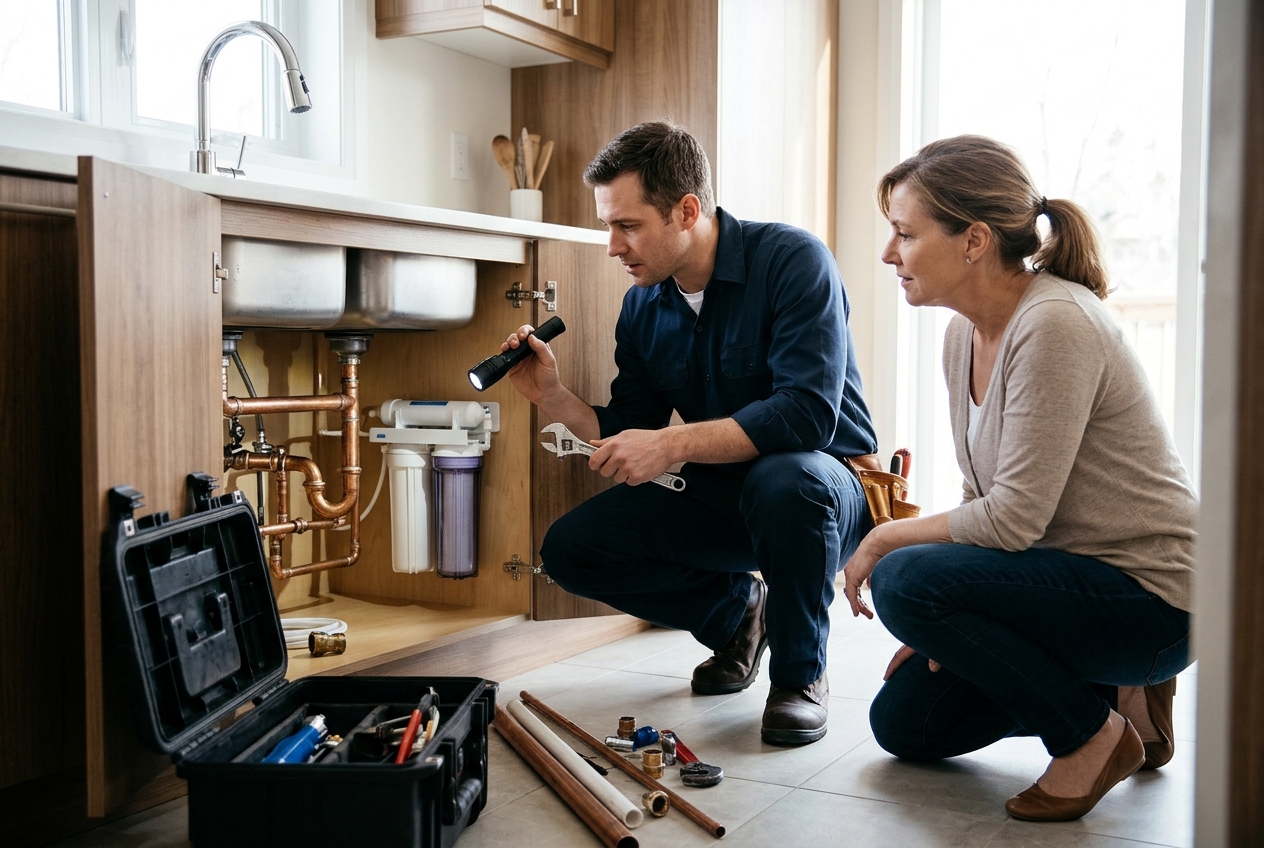
Standard Repair Costs: According to published 2026 plumbing cost estimates, standard repairs commonly range from approximately $180 to $500, although costs vary considerably by location, repair type and complexity¹.
Emergency Premiums: Emergency plumbing services generally cost more than scheduled repairs, with hourly rates often ranging from $150 to $500 depending on location, urgency and the provider.
Preventative Savings: Preventative maintenance may help avoid expensive repairs by identifying plumbing problems early. Potential savings depend on the condition of the plumbing system and the problems identified.⁹
Smart Scheduling: Schedule non-emergency work during business hours to avoid higher evening, weekend, and holiday rates.
Unexpected plumbing issues can be a significant financial burden for homeowners. Understanding the cost structures of plumbing services and adopting proactive strategies helps mitigate the impact of both routine repairs and sudden emergencies. This guide covers how to manage plumbing expenses, from preventative maintenance to smart decisions during a crisis.
Understanding Plumbing Service Costs
The cost of plumbing services varies based on the job's complexity, the plumber's experience, your location, and the urgency of the repair. According to published 2026 plumbing cost estimates, standard repairs commonly range from approximately $180 to $500, although costs vary considerably by location, repair type and complexity¹. Smaller repairs typically fall between $125 and $350. More extensive jobs or installations can range from $500 to $800 or more².
Hourly Rates and Service Call Fees
Plumbers typically charge hourly rates, which cover their wages, insurance, vehicle costs, tools, permits, and general business overhead.³ Standard residential plumbing work usually costs $75–$150 per hour. However, hourly rates can range from $45 to $200 depending on the market, job type, and the plumber's experience level. Master plumbers, who have the highest level of certification, can charge up to $200 per hour⁴. Journeyman plumbers generally charge $50–$100 per hour, while apprentice plumbers charge $35–$65 per hour but require supervision⁵.
In addition to hourly rates, many companies charge a service call fee, also known as a trip or dispatch fee. These fees typically range from $50–$250, though some sources cite ranges from $75–$300 or $100–$250¹. The service call fee usually covers the plumber's travel time and an initial diagnosis. Many plumbing companies will credit this fee towards the total repair cost if you proceed with the work⁴. It is wise to confirm this policy upfront when contacting plumbing services near me.
Mitigating Emergency Plumbing Costs
Plumbing emergencies are inherently more expensive than scheduled repairs or maintenance. Emergency and after-hours plumbing services generally cost more than scheduled repairs, with hourly rates often ranging from approximately $150 to $500 depending on location, urgency and the provider. Additional call-out or holiday charges may apply. Holiday or overnight calls can push rates up to $600 per hour⁶.
Common Emergency Scenarios and Costs
Certain plumbing emergencies carry higher repair costs due to their complexity and potential for damage.
Burst Pipes: Repairing a burst pipe can cost anywhere from $150 to $5,000. An accessible burst pipe might cost around $500. However, costs can exceed $5,000 if the pipe is located within a wall, under a slab, or underground, as these locations require significant demolition and restoration. Slab leak repair specifically costs $500–$4,500¹, often $1,500–$4,000+ due to concrete cutting and restoration.
Sewer Backups: Repairs for sewer backups frequently range from $500 to $3,800. A main sewer line clog repair can cost $1,325–$5,000⁶.
Water Heater Failures: Emergency water heater failures or repairs typically cost $500–$1,200.
Clogged Drains and Toilets: Emergency clogged drains and toilet repairs usually cost $300–$800.⁷
Factors Increasing Emergency Costs
Several factors contribute to the higher cost of emergency plumbing services, including overtime pay and operational costs for 24/7 service:
Urgency and Off-Hour Service: The immediate need for service outside of standard business hours triggers premium rates.⁶
Overtime Pay: Plumbers working late nights, weekends, or holidays receive higher pay, which is passed on to the customer.
Operational Costs: Companies offering 24/7 emergency services have higher overheads.
Issue Severity and Equipment: More severe issues often require specialized equipment or additional personnel.
Seasonal Demand: Demand surges during specific times, such as winter for frozen pipes, can drive up prices.⁴
Additionally, plumbing emergencies often lead to secondary costs. These can include drywall repairs ($4-$7 per square foot), water damage restoration ($4–$7 per square foot), or mold remediation ($10–$25 per square foot)⁶. Knowing what to do before an emergency plumber arrives can help reduce these additional damages.
The Value of Preventative Plumbing Maintenance
Preventative maintenance can help reduce the risk of costly plumbing emergencies by identifying leaks, corrosion and blockages before they worsen. Potential savings depend on the condition of the plumbing system and the problems identified. This also helps avoid costly emergency trip fees and potential extensive water damage.
Routine Maintenance Services and Costs
Consider these preventative services:
Annual Plumbing Inspections: Routine inspections typically cost $75–$300, with an average of $100–$200 per year. These inspections can identify minor leaks, corrosion, or blockages before they escalate.
Drain Cleaning: Routine drain cleaning averages $100–$275, though some services can range from $95–$500. Specialized services like hydro-jetting with camera inspection can cost up to $800. Regular cleaning helps prevent severe clogs and backups. For more details on these costs, refer to guides on finding reliable drain cleaning near me.
Water Heater Maintenance: This often includes flushing the tank to remove sediment. Many annual plumbing maintenance plans include water heater flushing.⁸
Sump Pump Maintenance: Sump pump maintenance generally costs $100–$200. Regular checks ensure it's operational during heavy rains or floods.
Leak Detection: Professional leak detection services cost $100–$400. Early detection of hidden leaks prevents costly water damage and higher utility bills.
Plumbing Maintenance Plans
Many plumbing companies offer annual maintenance plans. These typically cost $10–$30 per month, or $129–$329 per year. Maintenance plans usually include one or two inspections and a water heater flush, but they typically exclude parts and major repairs. The value of these plans depends on the services included, the condition of the home's plumbing system and whether the provider offers reduced or waived emergency service fees⁸.
Pros
- + May reduce or waive emergency trip fees, depending on the plan
- + Catches small leaks and issues early, preventing major damage
- + May help avoid expensive repairs by identifying plumbing problems early.⁹
Cons
- - Annual subscription cost
- - Typically excludes parts and major repairs⁸
- - May not be cost-effective for homes with consistently trouble-free plumbing⁴
Smart Decisions for Plumbing Services
Making informed choices when hiring a plumber can significantly impact your overall costs and the quality of service.
Before You Call a Plumber
Take these steps to prepare and potentially reduce costs:
Locate Your Main Water Shut-Off Valve: Knowing where and how to turn off your main water supply is crucial during an emergency to minimize damage.
Identify Warning Signs: Be aware of slow drainage, reduced water pressure, or unusual noises, as these can indicate brewing problems. Addressing them early can prevent emergencies.
Bundle Repairs: If you have multiple small, non-urgent plumbing issues, try to bundle them into a single service visit. This saves money by only incurring one trip fee¹.
Choosing and Scheduling Plumbing Services
When it's time to hire a plumber, strategic scheduling and clear communication are key.
Schedule Non-Emergencies During Business Hours: Always schedule non-emergency plumbing work during standard business hours to avoid significantly higher after-hours, weekend, and holiday rates⁵.
Get Multiple Estimates: For non-emergency work, obtain 3–5 detailed, written estimates from different plumbers. These estimates should be itemized, showing costs for diagnosis, parts, labor, permits, and any necessary restoration².
Clarify Pricing: Understand the plumber's pricing model—whether it's hourly or a flat rate.⁴ For complex hourly jobs, ask for a "not-to-exceed" cap on the total cost. Always confirm if the diagnostic service call fee will be credited toward the repair if you proceed with the work¹.
Verify Credentials: Always ensure the plumber is licensed and insured.³ You can often find reputable professionals by searching for "plumbing services near me" and checking reviews. For tips on how to find and vet local plumbers, refer to our guide on finding a plumber near me.
Consider Supplying Fixtures: For installations such as toilets, faucets or sinks, purchasing your own fixtures may reduce material costs.⁹ However, confirm that your plumber accepts customer-supplied products, as this can affect installation warranties and responsibility for defects.
Other Cost Factors and Savings
Labor and material costs are significant drivers of plumbing expenses. Labor costs are influenced by the plumber's experience, geographic location, and job complexity⁵. There is also a shortage of skilled trades, which contributes to rising labor costs. Plumbing rates tend to be higher in large metropolitan areas and high cost-of-living regions compared to rural areas. For instance, homeowners in Minneapolis may pay 20–30% more than the national median¹. Jobs that require opening walls, accessing pipes under slabs, or working in tight crawl spaces increase labor time and cost due to complexity and accessibility⁴.
Material costs also fluctuate based on quality, type (e.g., copper versus PEX), and specialty components. Rising costs for materials like copper and PVC directly impact plumbing prices. Permit fees, required for certain plumbing jobs, typically run $150–$500⁴.
Consider installing water-saving upgrades such as low-flow toilets and water-efficient faucets. While an initial investment, these can reduce water bills over time.
Recommendation
Prioritize preventative plumbing maintenance to avoid costly emergencies. Consider periodic plumbing inspections and drain maintenance based on your home's age, plumbing condition and history of blockages.⁸ Routine professional drain cleaning may not be necessary for every household. Always schedule non-emergency repairs during standard business hours and obtain multiple detailed estimates. For emergencies, know your main water shut-off valve location and act quickly to minimize damage, then contact an insured and licensed plumber, understanding their emergency rate structure. These proactive steps offer the best protection against unexpected plumbing expenses.
According to published 2026 plumbing cost estimates, standard repairs commonly range from approximately $180 to $500, although costs vary considerably by location, repair type and complexity¹. Small repairs typically cost $125–$350².
Hourly rates generally range from $75–$150, but can vary from $45 to $200 depending on the plumber's experience and location⁴.
A service call fee, also called a trip or dispatch fee, is an upfront charge that typically ranges from $50–$250. This fee covers the plumber's travel time and initial diagnosis, and many companies apply it toward the total repair cost if you proceed with the work⁴.
Emergency and after-hours plumbing services generally cost more than scheduled repairs, with hourly rates often ranging from approximately $150 to $500 depending on location, urgency and the provider. Additional call-out or holiday charges may apply. Holiday or overnight calls can push rates up to $600 per hour⁶.
You can save money by prioritizing preventative maintenance like annual inspections, bundling multiple small repairs into one visit, and scheduling non-emergency work during business hours¹. Always get multiple estimates for non-urgent jobs⁹.
Yes, preventative maintenance may help avoid expensive repairs by identifying plumbing problems early. By catching small issues early through regular inspections, you avoid emergency trip fees and potential costly water damage that could result from neglected problems⁹.
Look for warning signs such as slow drainage, reduced water pressure, dripping faucets, or unusual noises coming from pipes or appliances. Addressing these early can prevent them from escalating into major, expensive emergencies.
In an emergency, search for licensed and insured plumbers offering 24/7 service. Be prepared to pay higher rates for urgent, off-hours service. Confirm if their service call fee applies to the repair total.
Will is a Home Improvement Editor with a passion for helping homeowners make confident, well-informed decisions about their homes. He specializes in reviewing and refining content covering home renovations, solar energy, roofing, HVAC, insulation, windows, flooring, plumbing, electrical systems, and other key areas of residential improvement.
With a strong background in research and technical writing, Will is committed to ensuring every article is accurate, accessible, and backed by reliable sources. He carefully reviews content for factual accuracy, clarity, readability, and relevance, helping readers understand complex home improvement topics in straightforward, practical terms. His editorial approach focuses on translating industry information into guidance that homeowners can trust when planning repairs, renovations, or energy-efficient upgrades.
Will has experience evaluating home improvement content against current industry standards, manufacturer guidance, and reputable government and consumer resources. He believes that high-quality editorial standards are essential in helping readers navigate major purchasing decisions, whether they are comparing roofing materials, selecting solar panels, upgrading insulation, or planning a complete home renovation.
As an editor, Will collaborates closely with writers and subject matter experts to ensure content remains comprehensive, unbiased, and up to date. He is particularly interested in emerging trends within the home improvement industry, including sustainable building practices, energy efficiency, smart home technology, and cost-effective renovation strategies that deliver long-term value for homeowners.
Outside of editing, Will enjoys staying informed about developments in residential construction, building products, and consumer technology. His attention to detail and commitment to producing trustworthy content help ensure readers have access to reliable information that empowers them to make informed decisions with confidence.
Sources:
Average Plumbing Repair Costs in 2026 (paulbunyanplumbing.com)
$125–$5,000+: What 2026 Plumbing Costs Mean For Homeowners, 2026 (tricountyelectricservice.com)
What Plumbers Make Across Major U.S. Markets (2026) (skillit.com)
Plumbing Prices Guide, 2026 (serviceagent.ai)
Plumber Cost Per Hour (modernize.com)
Emergency Plumber Cost (angi.com)
Emergency Cost (modernize.com)
Plumbing Plan Costs: Can $10–$30 a Month Pay Off for U.S. Homeowners?, 2026 (psvplumbinginc.com)
How Much Does a Plumber Cost? Complete 2025 Pricing Guide (serviceorca.com)